Wasp: The Pint-Sized Avenger – Powers and Abilities

weatherontheair.com – Wasp, also known as Janet van Dyne, is a founding member of the Avengers and one of Marvel Comics’ most enduring heroines. Known for her ability to shrink to the size of an insect while retaining her strength, Wasp has played a pivotal role in many of the Avengers’ greatest adventures. Her intelligence, style, and leadership qualities make her a vital part of the superhero community.

Origin and Background

Wasp first appeared in 1963, created by writer Stan Lee and artist Jack Kirby. Janet van Dyne was a wealthy socialite who gained her powers through Hank Pym, the original Ant-Man, after her father’s untimely death. Determined to avenge her father, she underwent a procedure that gave her the ability to shrink and grow wings. Together with Hank, she adopted the superhero persona of Wasp and became a founding member of the Avengers.

Powers and Abilities

Wasp’s primary abilities include size manipulation, allowing her to shrink to the size of an insect or grow to giant proportions. In her miniature form, she retains her full-sized strength and gains the ability to fly using her insect-like wings. Wasp can also fire bioelectric energy blasts, known as “wasp stings,” making her a formidable opponent. Her agility and combat skills, combined with her strategic mind, make her an indispensable member of any superhero team.

Leadership and Influence

Wasp has often taken on leadership roles within the Avengers, showcasing her ability to guide and inspire her teammates. Her keen fashion sense and vibrant personality have made her a beloved character among fans. Wasp’s influence extends beyond the comic pages, as she has appeared in various animated series and the Marvel Cinematic Universe, where Evangeline Lilly portrays Hope van Dyne, the successor to the Wasp mantle.

Conclusion

Wasp remains a trailblazer in the Marvel universe, with her unique powers and dynamic personality making her a standout hero. As the Pint-Sized Avenger, she exemplifies the idea that strength and courage come in all sizes. Her enduring legacy as a founding Avenger and a symbol of empowerment continues to inspire new generations of fans and heroes alike.
Bill Cipher: The Dream Demon – Origins and Nature

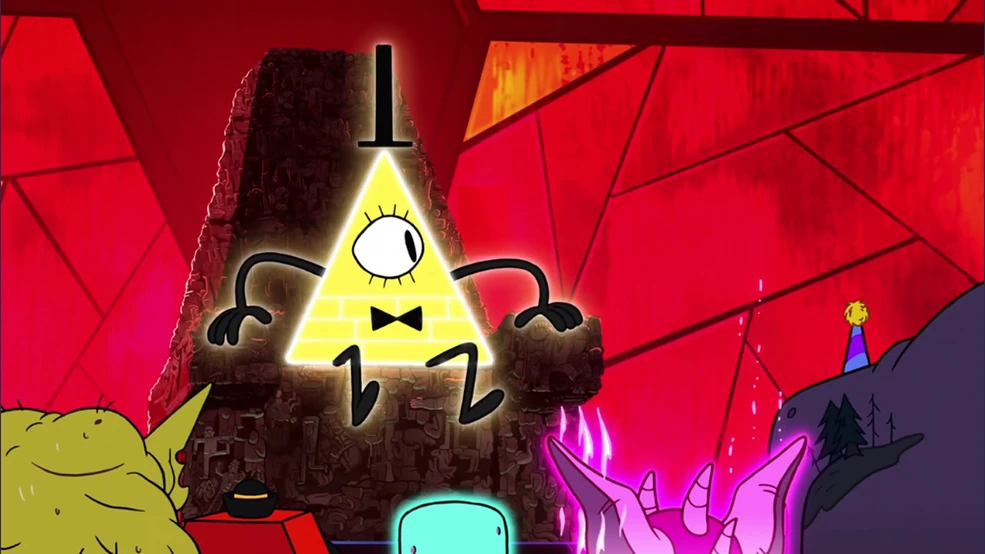
weatherontheair.com – Bill Cipher, known as “The Dream Demon,” is a central antagonist in the animated series “Gravity Falls,” created by Alex Hirsch. This enigmatic and chaotic entity is characterized by his triangular shape, mischievous grin, and unsettling powers. Bill Cipher’s presence in the series introduces a layer of mystery and intrigue, captivating audiences with his unpredictable nature and cryptic motives.

Origins and Nature

Bill Cipher is a powerful interdimensional being who exists beyond the constraints of the physical world. His origins are steeped in mystery, but he is known to inhabit the Dreamscape, a realm where he can manipulate reality and influence the minds of others. Bill’s triangular form, topped with a top hat and adorned with a single eye, is a nod to the all-seeing eye symbol, reflecting his omniscient and manipulative nature.

Role in “Gravity Falls”

In “Gravity Falls,” Bill Cipher emerges as a significant threat to the town and its inhabitants. His primary goal is to bring chaos and destruction to the world by merging dimensions, an event known as “Weirdmageddon.” Throughout the series, Bill interacts with various characters, often making deals that come with sinister consequences. His cunning and charm make him both a fascinating and formidable adversary.

Powers and Abilities

Bill Cipher possesses a range of extraordinary powers, making him a nearly unstoppable force. He can manipulate reality, enter people’s minds, and alter their perceptions. Bill’s ability to grant wishes and make deals adds to his allure, but these deals often come at a high price. His control over the Dreamscape allows him to influence dreams and create illusions, blurring the line between reality and fantasy.

Symbolism and Themes

Bill Cipher’s character is rich with symbolism and thematic depth. He represents chaos and the dangers of unchecked power. His deals with characters often highlight themes of temptation and the consequences of greed. Bill’s unpredictable nature and cryptic messages add an element of mystery, encouraging viewers to question the nature of reality and the cost of knowledge.

Cultural Impact

Since his introduction, Bill Cipher has become an iconic figure in pop culture, particularly among fans of “Gravity Falls.” His distinctive design and memorable catchphrases have made him a fan favorite. The series’ intricate storytelling and use of puzzles and ciphers, often involving Bill, have inspired fan theories and discussions, contributing to the show’s enduring popularity.

Conclusion

Bill Cipher, “The Dream Demon,” stands out as one of the most memorable villains in animated television. His blend of charm, menace, and mystery captivates audiences, making him a key component of “Gravity Falls'” success. Through Bill Cipher, the series explores complex themes of power, temptation, and the unknown, ensuring his place as a timeless and intriguing character in the world of animation.

Red Skull: The Nazi Menace – The Rise of Johann Schmidt

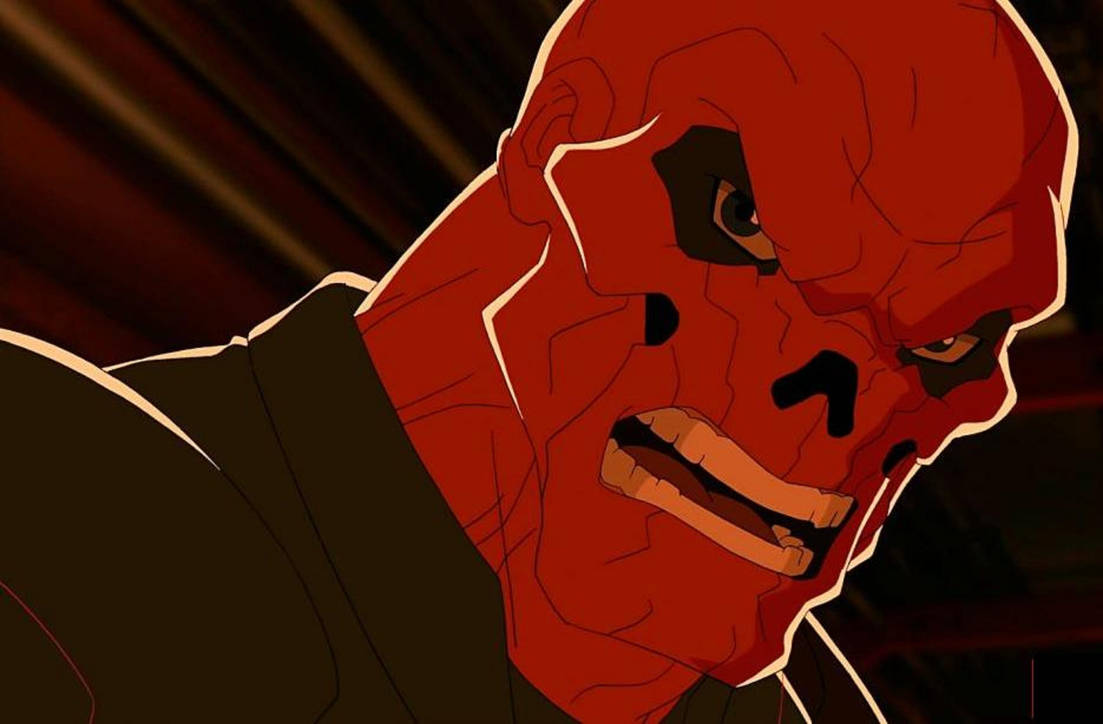
weatherontheair.com – Red Skull, one of the most notorious villains in the Marvel Universe, is a symbol of hatred and tyranny. As the archenemy of Captain America, Red Skull’s menacing presence and unwavering devotion to Nazi ideology make him a formidable foe. This article explores the origins, motivations, and impact of Red Skull, examining why he remains a significant figure in comic book history.

The Rise of Johann Schmidt

Red Skull was born Johann Schmidt, a German orphan who experienced a harsh and unforgiving upbringing. His early life was marked by abuse and neglect, fueling a deep hatred for humanity. Johann’s path to villainy began when he caught the attention of Adolf Hitler, who recognized his potential for cruelty and ambition. Under Hitler’s tutelage, Johann became the Red Skull, an embodiment of Nazi ideals and terror.

The Nazi Menace

As Red Skull, Johann Schmidt became a high-ranking Nazi officer, devoted to furthering Hitler’s vision of a world dominated by the Aryan race. His methods were ruthless, often employing advanced technology and biological experiments to achieve his goals. Red Skull’s unwavering loyalty to the Nazi cause made him a symbol of fear, both within the Marvel Universe and as a metaphor for real-world atrocities.

Archenemy of Captain America

Red Skull’s most enduring legacy is his rivalry with Captain America. As embodiments of opposing ideologies, their battles represent the struggle between tyranny and freedom. Red Skull’s schemes often involve attempts to conquer or reshape the world, placing him in direct conflict with Captain America’s mission to protect justice and liberty. This dynamic has made their confrontations legendary within comic lore.

Powers and Influence

While initially lacking superhuman abilities, Red Skull’s cunning and strategic mind made him a dangerous adversary. Over time, he acquired various enhancements, including a cloned body of Captain America and access to powerful weapons and technologies. These attributes, combined with his ability to manipulate and instill fear, have allowed him to amass a considerable influence over time.

Legacy of Horror

Red Skull’s legacy is one of horror and oppression. As a character, he serves as a reminder of the dangers of unchecked power and the capacity for human cruelty. His presence in the Marvel Universe challenges readers to confront the realities of prejudice and the consequences of fanaticism. Despite frequent defeats, Red Skull’s ideology continues to pose a threat, reflecting ongoing struggles against hatred and intolerance.

Conclusion

Red Skull, the Nazi Menace, remains a powerful symbol of evil within the Marvel Universe. His journey from Johann Schmidt to one of the most feared villains in comic book history is a tale of ambition, hatred, and the enduring fight against tyranny. Through his character, Red Skull serves as a cautionary figure, reminding us of the importance of vigilance and the perpetual battle against oppression in all its forms.

Mother Gothel: The Villainous Guardian of “Tangled”

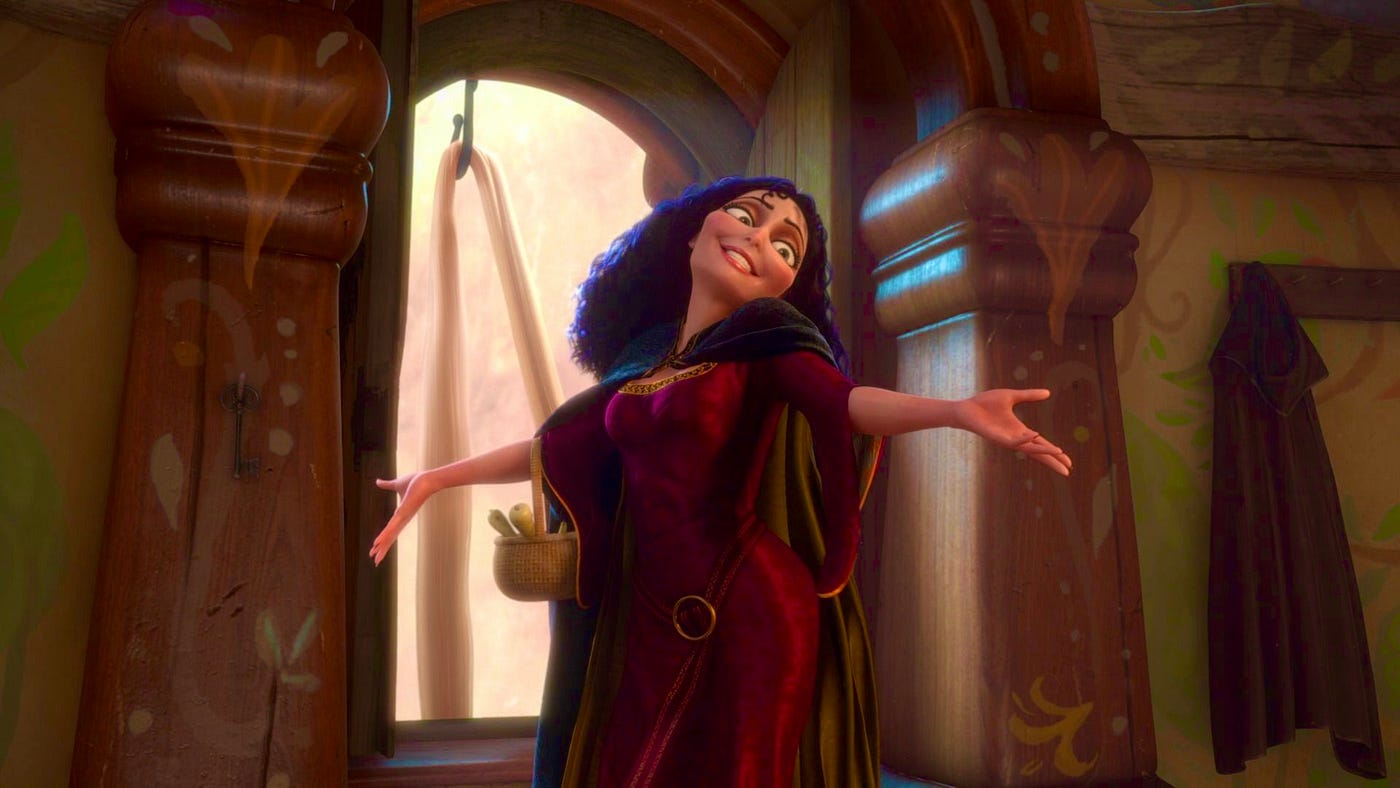
weatherontheair.com – Mother Gothel, the cunning antagonist of Disney’s “Tangled,” is a character rooted in manipulation and deceit. As the self-proclaimed mother of Rapunzel, she seeks to retain her youth and beauty by exploiting the magical properties of Rapunzel’s hair. Mother Gothel’s character offers a unique take on villainy, blending elements of classic fairy tales with psychological depth. This article explores her origins, motivations, and the themes she embodies in the story.

Origins and Characteristics

Mother Gothel is based on the character from the Brothers Grimm fairy tale “Rapunzel.” In “Tangled,” she is introduced as an aging woman who discovers a magical flower that grants eternal youth. When the flower is used to heal the ailing queen, its power is transferred to Rapunzel, the queen’s daughter. Mother Gothel kidnaps Rapunzel to harness the healing powers of her hair, raising her in an isolated tower under the pretense of being her mother. Her character is defined by her vanity, selfishness, and manipulative nature.

Manipulation and Control

Mother Gothel’s primary motivation is to preserve her youth at any cost. She uses psychological manipulation to maintain control over Rapunzel, instilling fear and dependency. Her condescending and patronizing demeanor is masked by feigned affection, making Rapunzel question her own worth and capabilities. This manipulation exemplifies emotional abuse, a theme that adds depth to her villainous role and highlights the darker aspects of her character.

Themes of Vanity and Control

Mother Gothel embodies themes of vanity and the fear of aging, driving her to extreme measures to maintain her appearance. Her obsession with youth leads her to objectify Rapunzel, viewing her not as a daughter but as a means to an end. This dynamic between Gothel and Rapunzel explores the toxic effects of control and the importance of self-discovery and independence. Rapunzel’s eventual rebellion and quest for freedom serve as a counterpoint to Gothel’s oppressive influence.

Cultural Impact and Legacy

Mother Gothel has left a lasting impression as a Disney villain, with her character resonating due to her psychological complexity. Her portrayal in “Tangled” deviates from traditional fairy tale villains by focusing on emotional manipulation rather than physical threats. This nuanced approach has made her a memorable figure in Disney’s pantheon of villains, contributing to discussions on the portrayal of emotional abuse and the desire for eternal youth in storytelling.

Conclusion

Mother Gothel is a compelling villain whose actions are driven by vanity and a fear of aging. Her manipulation of Rapunzel highlights the darker aspects of parental control and the importance of personal freedom. By exploring these themes, Mother Gothel remains an intriguing and thought-provoking character, reflecting the complexities of human nature and the timeless appeal of fairy tales.