
Red Skull: The Nazi Menace – The Rise of Johann Schmidt

weatherontheair.com – Red Skull, one of the most notorious villains in the Marvel Universe, is a symbol of hatred and tyranny. As the archenemy of Captain America, Red Skull’s menacing presence and unwavering devotion to Nazi ideology make him a formidable foe. This article explores the origins, motivations, and impact of Red Skull, examining why he remains a significant figure in comic book history.

The Rise of Johann Schmidt

Red Skull was born Johann Schmidt, a German orphan who experienced a harsh and unforgiving upbringing. His early life was marked by abuse and neglect, fueling a deep hatred for humanity. Johann’s path to villainy began when he caught the attention of Adolf Hitler, who recognized his potential for cruelty and ambition. Under Hitler’s tutelage, Johann became the Red Skull, an embodiment of Nazi ideals and terror.

The Nazi Menace

As Red Skull, Johann Schmidt became a high-ranking Nazi officer, devoted to furthering Hitler’s vision of a world dominated by the Aryan race. His methods were ruthless, often employing advanced technology and biological experiments to achieve his goals. Red Skull’s unwavering loyalty to the Nazi cause made him a symbol of fear, both within the Marvel Universe and as a metaphor for real-world atrocities.

Archenemy of Captain America

Red Skull’s most enduring legacy is his rivalry with Captain America. As embodiments of opposing ideologies, their battles represent the struggle between tyranny and freedom. Red Skull’s schemes often involve attempts to conquer or reshape the world, placing him in direct conflict with Captain America’s mission to protect justice and liberty. This dynamic has made their confrontations legendary within comic lore.

Powers and Influence

While initially lacking superhuman abilities, Red Skull’s cunning and strategic mind made him a dangerous adversary. Over time, he acquired various enhancements, including a cloned body of Captain America and access to powerful weapons and technologies. These attributes, combined with his ability to manipulate and instill fear, have allowed him to amass a considerable influence over time.

Legacy of Horror

Red Skull’s legacy is one of horror and oppression. As a character, he serves as a reminder of the dangers of unchecked power and the capacity for human cruelty. His presence in the Marvel Universe challenges readers to confront the realities of prejudice and the consequences of fanaticism. Despite frequent defeats, Red Skull’s ideology continues to pose a threat, reflecting ongoing struggles against hatred and intolerance.

Conclusion

Red Skull, the Nazi Menace, remains a powerful symbol of evil within the Marvel Universe. His journey from Johann Schmidt to one of the most feared villains in comic book history is a tale of ambition, hatred, and the enduring fight against tyranny. Through his character, Red Skull serves as a cautionary figure, reminding us of the importance of vigilance and the perpetual battle against oppression in all its forms.
The Energetic Performances of Hugh Jackman

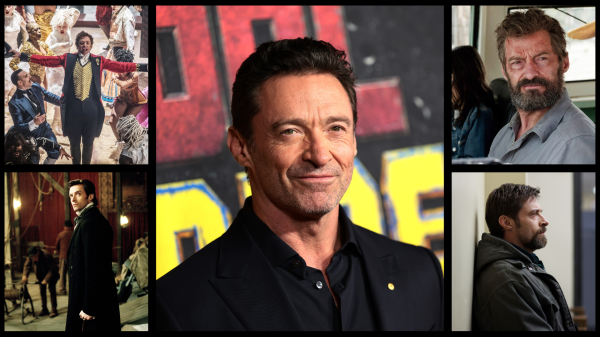
weatherontheair.com – Hugh Jackman is renowned for his energetic and charismatic performances, making him one of the most versatile and beloved figures in the entertainment industry. From his iconic role as Wolverine in the “X-Men” series to his captivating performances on Broadway, Jackman’s dynamic presence and talent have earned him widespread acclaim and a devoted fanbase.

Early Life and Rise to Stardom

Born on October 12, 1968, in Sydney, Australia, Hugh Jackman discovered his passion for acting during his college years. After graduating from the Western Australian Academy of Performing Arts, he quickly made a name for himself in the Australian theatre scene. His breakthrough came in 2000 when he was cast as Wolverine in “X-Men,” a role that would define his career and showcase his intense physicality and commanding screen presence.

Master of Multiple Disciplines

Jackman’s ability to seamlessly transition between film, theatre, and music sets him apart as a true master of multiple disciplines. His portrayal of Jean Valjean in the film adaptation of “Les Misérables” earned him an Academy Award nomination and demonstrated his impressive vocal abilities. On stage, Jackman’s performances in musicals like “The Boy from Oz” have won him critical acclaim, including a Tony Award for Best Actor in a Musical.

Charisma and Versatility

Known for his charisma and versatility, Jackman has taken on a diverse range of roles throughout his career. Whether he’s playing a gritty superhero, a charming conman, or a dedicated scientist, Jackman brings a unique energy and authenticity to each character. His work in films like “The Prestige,” “The Greatest Showman,” and “Prisoners” highlights his ability to captivate audiences with both dramatic and upbeat performances.

A Dedication to Philanthropy

Beyond his artistic achievements, Hugh Jackman is committed to philanthropy and humanitarian efforts. He is a vocal advocate for various causes, including education, health, and poverty alleviation. Jackman co-founded the Laughing Man Foundation, which supports coffee farming communities and promotes fair trade practices. His dedication to making a positive impact reflects his genuine compassion and generosity.

A Lasting Impact

Hugh Jackman’s enduring success in the entertainment industry can be attributed to his remarkable talent, work ethic, and infectious enthusiasm. His ability to connect with audiences across various mediums ensures his lasting impact as a performer. As Jackman continues to take on new challenges and projects, his energetic performances will undoubtedly continue to inspire and entertain for years to come.

In summary, Hugh Jackman’s career is a testament to his extraordinary versatility and passion for the arts. His energetic performances and commitment to excellence have solidified his status as a dynamic force in entertainment, leaving a lasting legacy that transcends the boundaries of film, theatre, and music.

The Rise of Global Cityscapes: Modern Metropolises

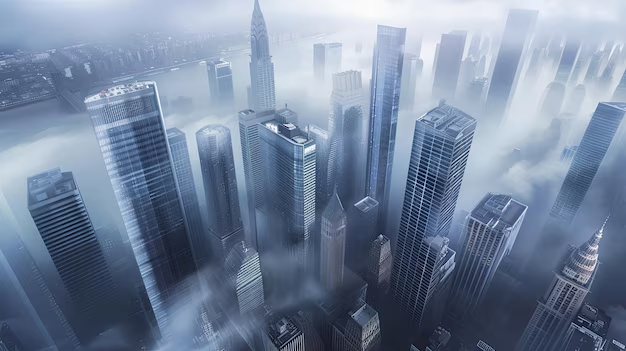
weatherontheair.com – “Urban Metropolises: The Rise of Global Cityscapes” is a topic that explores the development and impact of large, densely populated urban areas that have become significant players on the global stage. These cities, often referred to as global cities, are characterized by their economic, cultural, and political influence beyond their national borders. They are hubs for international business, finance, education, and innovation, and they play a crucial role in the global economy and culture.

The rise of global cityscapes can be attributed to several factors:

  1. Economic Globalization: The integration of economies around the world has led to the concentration of economic activities in certain cities, making them centers of finance, trade, and commerce.
  2. Technological Advancements: Improvements in transportation and communication technologies have made it easier for businesses and people to connect across the globe, further enhancing the role of global cities as hubs for innovation and information exchange.
  3. Migration: The movement of people from rural to urban areas and from developing to developed countries has contributed to the growth of metropolises. This migration is driven by the search for better employment opportunities, education, and quality of life.
  4. Urbanization: The general trend of population shift from rural to urban areas has led to the expansion of cities and the creation of megacities, which often become global cities due to their size and influence.
  5. Policy and Governance: The strategic planning and policies implemented by city governments can also play a significant role in the development of global cityscapes. Investment in infrastructure, education, and technology can attract businesses and talent, further solidifying a city’s global status.

Global cityscapes are not without their challenges. Issues such as overcrowding, pollution, traffic congestion, and social inequality are common in these urban centers. Additionally, the concentration of wealth and power in global cities can exacerbate regional disparities and lead to a “winner-takes-all” dynamic in the global economy.

Despite these challenges, global cityscapes continue to be centers of innovation, culture, and economic activity. They are at the forefront of addressing global issues such as climate change, sustainability, and social inclusion. As such, the study of urban metropolises and their role in the global landscape is an important area of research and policy-making.