A Global Shopping Experience: Street Markets

weatherontheair.com – Street markets, also known as open-air markets or bazaars, are a vibrant and essential part of the urban landscape in cities around the world. They are not just places to shop; they are cultural hubs, social spaces, and windows into the soul of a community. From the bustling souks of Marrakech to the colorful stalls of Mexico City, street markets offer a unique shopping experience that is both personal and immersive.

The Allure of Street Markets

Street markets are alluring for several reasons. Firstly, they are often a treasure trove of local goods, from fresh produce and artisanal crafts to vintage clothing and handmade jewelry. The variety of items available is unparalleled, and the prices are usually more affordable than those found in traditional retail stores.

Secondly, street markets are deeply rooted in the local culture. They are a reflection of the community’s traditions, tastes, and history. Shopping at a street market is an opportunity to engage with local vendors, learn about their products, and gain insights into the local way of life.

Lastly, street markets are lively and dynamic. The hustle and bustle, the colors, the smells, and the sounds create a shopping atmosphere that is both exhilarating and comforting. It’s a sensory experience that cannot be replicated in a mall or online.

A World Tour of Street Markets

Europe

In Europe, street markets are as diverse as the continent itself. The Portobello Road Market in London is famous for its antiques and vintage fashion, while the Marché aux Puces de Saint-Ouen in Paris is the largest flea market in the world. In Barcelona, the La Boqueria market is a culinary paradise, offering everything from fresh seafood to artisanal cheeses.

Asia

Asian street markets are a feast for the senses. The Chatuchak Weekend Market in Bangkok is a massive maze of stalls selling everything from clothing to live animals. In India, the Chandni Chowk market in Delhi is a chaotic yet charming place to find spices, jewelry, and textiles. The night markets of Taiwan, such as the Shilin Night Market in Taipei, offer a tantalizing array of street food and quirky goods.

Africa

African markets are vibrant and colorful, with a strong emphasis on craftsmanship. The Maasai Market in Nairobi, Kenya, is known for its beautiful beadwork and Maasai shukas. The Medina of Marrakech, Morocco, is a labyrinth of souks where one can find intricate lanterns, leather goods, and spices.

Americas

In the Americas, street markets range from the traditional to the avant-garde. The Mercado de La Paloma in Los Angeles is a melting pot of cultures, offering a variety of foods and goods from around the world. The Mercado Modelo in Santo Domingo, Dominican Republic, is a place to find handmade crafts and souvenirs. The Feria Maestranza in Lima, Peru, is famous for its artisanal pottery and textiles.

Shopping Tips for Street Markets

When visiting a street market, it’s important to keep a few tips in mind:

  • Go early: Arrive early to avoid crowds and get the best selection of goods.
  • Bargain: In many markets, bargaining is expected. Be polite and start with a lower offer than what you’re willing to pay.
  • Be aware: Keep an eye on your belongings and be mindful of your surroundings to avoid pickpockets.
  • Sample: If you’re buying food, don’t be afraid to ask for a sample before making a purchase.
  • Enjoy: Take your time, enjoy the atmosphere, and engage with the vendors and other shoppers.

Conclusion

Street markets are more than just places to shop; they are living, breathing entities that embody the spirit of a place. They offer a global shopping experience that is both enriching and enjoyable. Whether you’re looking for a unique souvenir, a fresh meal, or simply an authentic cultural experience, the world’s street markets are waiting to welcome you with open arms. So the next time you’re in a new city, seek out the local street market—you might just find a treasure or two, and you’ll certainly create memories that will last a lifetime.
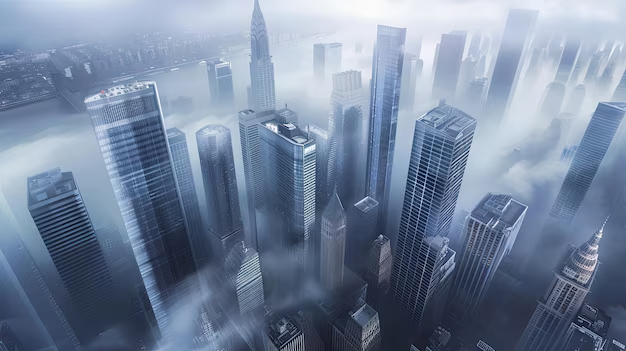
The Rise of Global Cityscapes: Modern Metropolises

weatherontheair.com – “Urban Metropolises: The Rise of Global Cityscapes” is a topic that explores the development and impact of large, densely populated urban areas that have become significant players on the global stage. These cities, often referred to as global cities, are characterized by their economic, cultural, and political influence beyond their national borders. They are hubs for international business, finance, education, and innovation, and they play a crucial role in the global economy and culture.

The rise of global cityscapes can be attributed to several factors:

  1. Economic Globalization: The integration of economies around the world has led to the concentration of economic activities in certain cities, making them centers of finance, trade, and commerce.
  2. Technological Advancements: Improvements in transportation and communication technologies have made it easier for businesses and people to connect across the globe, further enhancing the role of global cities as hubs for innovation and information exchange.
  3. Migration: The movement of people from rural to urban areas and from developing to developed countries has contributed to the growth of metropolises. This migration is driven by the search for better employment opportunities, education, and quality of life.
  4. Urbanization: The general trend of population shift from rural to urban areas has led to the expansion of cities and the creation of megacities, which often become global cities due to their size and influence.
  5. Policy and Governance: The strategic planning and policies implemented by city governments can also play a significant role in the development of global cityscapes. Investment in infrastructure, education, and technology can attract businesses and talent, further solidifying a city’s global status.

Global cityscapes are not without their challenges. Issues such as overcrowding, pollution, traffic congestion, and social inequality are common in these urban centers. Additionally, the concentration of wealth and power in global cities can exacerbate regional disparities and lead to a “winner-takes-all” dynamic in the global economy.

Despite these challenges, global cityscapes continue to be centers of innovation, culture, and economic activity. They are at the forefront of addressing global issues such as climate change, sustainability, and social inclusion. As such, the study of urban metropolises and their role in the global landscape is an important area of research and policy-making.

World War II: Its Aftermath and A Global Conflict

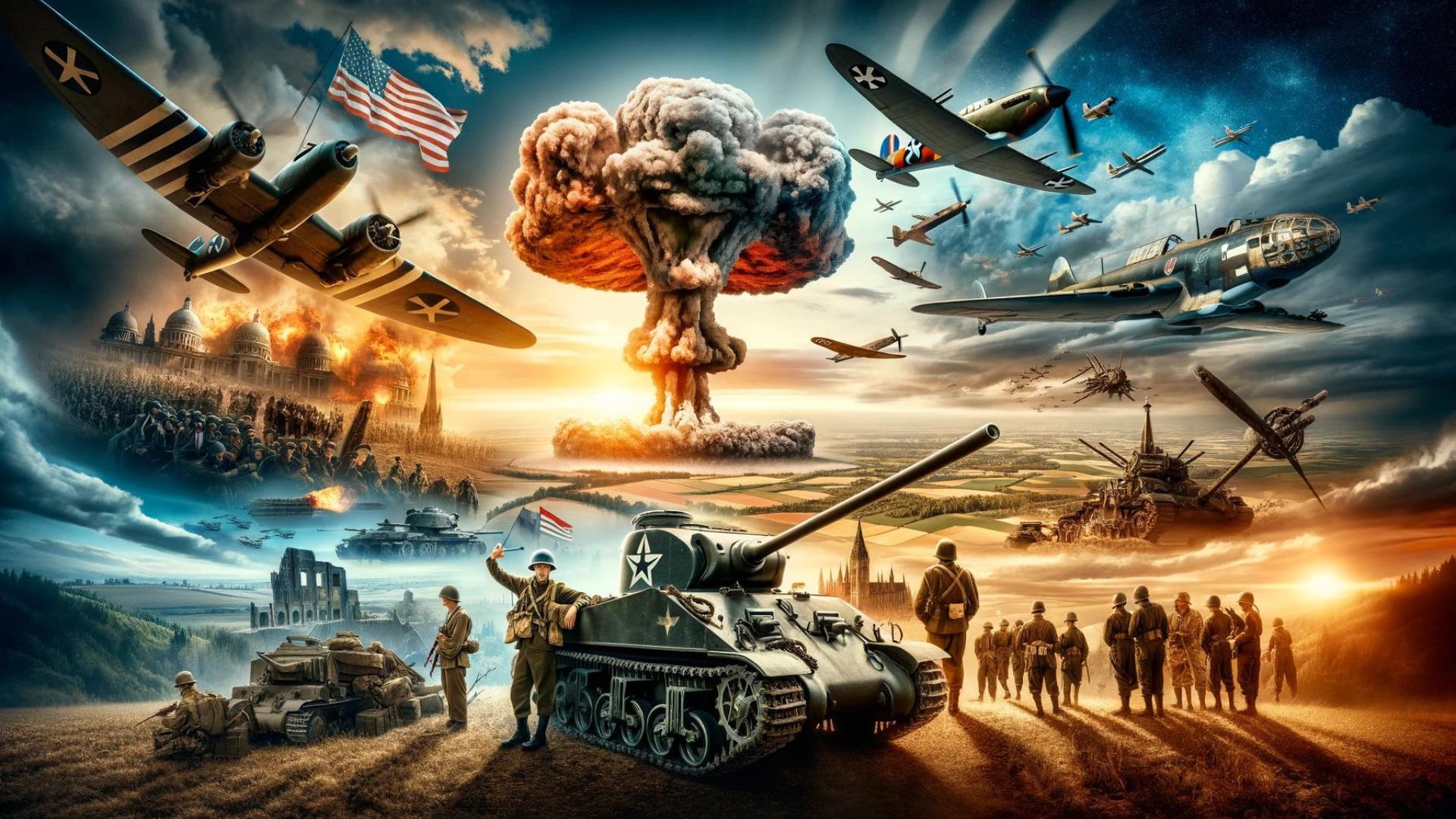
weatherontheair.com – World War II, a global conflict that lasted from 1939 to 1945, was the deadliest and most widespread war in history. It involved the vast majority of the world’s nations—including all of the great powers—eventually forming two opposing military alliances: the Allies and the Axis. It was the culmination of several events that had been building up over time, including the Treaty of Versailles, the rise of fascism, militarism, and totalitarianism, and the failure of the League of Nations to prevent aggression.

The war began on September 1, 1939, when Germany, under Adolf Hitler, invaded Poland. This act prompted Britain and France to declare war on Germany, marking the beginning of the conflict. The war would expand across the globe, with major fronts in Europe, North Africa, and Asia. The Axis powers, primarily Germany, Italy, and Japan, sought territorial expansion, resources, and political dominance. The Allies, led by the United Kingdom, the Soviet Union, China, and later the United States, aimed to halt Axis aggression and restore peace.

The war was characterized by numerous significant battles and campaigns, including the Battle of Britain, the North African Campaign, the Battle of Stalingrad, and the D-Day invasion of Normandy. It also saw the use of new military technologies and strategies, such as the extensive use of tanks, aircraft, and submarines, as well as the first use of nuclear weapons in warfare.

The Holocaust, the systematic, state-sponsored persecution and murder of six million Jews by the Nazi regime, was one of the most horrific aspects of the war. Millions of others, including Poles, Soviets, Romani people, and political dissidents, were also killed in the genocidal policies of the Nazis.

The turning points of the war included the Battle of Britain, which prevented a German invasion of the UK, the entry of the Soviet Union and the United States into the war, and the Battle of Stalingrad, which marked the beginning of the German defeat on the Eastern Front. The D-Day invasion in June 1944 was another crucial moment, as it opened a Western Front and led to the liberation of Western Europe.

The war in the Pacific was marked by significant naval battles and island-hopping campaigns, culminating in the use of atomic bombs on the Japanese cities of Hiroshima and Nagasaki in August 1945. Japan surrendered shortly thereafter, bringing an end to the global conflict.

The aftermath of World War II was profound and far-reaching. The United Nations was established to foster international co-operation and prevent future conflicts. The war also led to the beginning of the Cold War, a period of geopolitical tension between the Soviet Union and the United States and their respective allies.

Europe was left devastated, with millions dead, cities in ruins, and economies in shambles. The Marshall Plan, an American initiative, provided aid to help rebuild Western European economies. The Iron Curtain descended across Europe, dividing the continent into Western-aligned democratic states and Soviet-aligned communist states.

The war also led to decolonization, as European powers weakened by the war were unable to maintain control over their overseas territories. This process would eventually lead to the independence of many countries in Asia and Africa.

The creation of Israel in 1948 was another significant outcome, as the Jewish people sought a homeland in the aftermath of the Holocaust. This event set the stage for ongoing conflict in the Middle East.

World War II had a lasting impact on global politics, economics, and society. It reshaped the world order, led to the establishment of new international institutions, and set the stage for the geopolitical rivalries of the second half of the 20th century. The war’s legacy is a reminder of the horrors of unchecked aggression, the importance of collective security, and the resilience of the human spirit in the face of adversity.