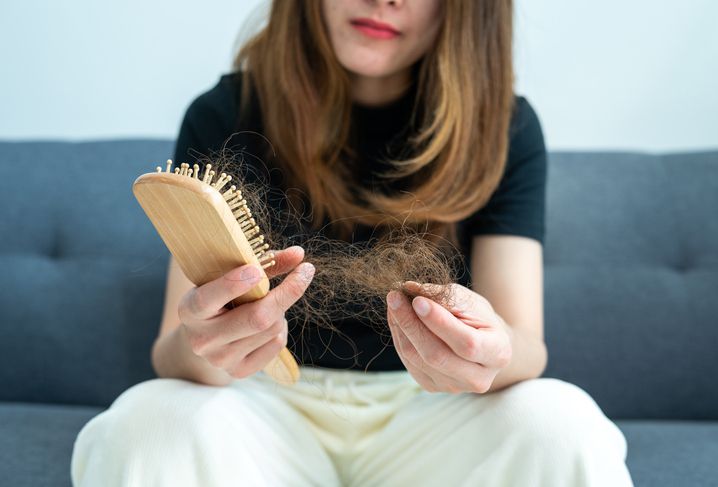
weatherontheair.com – Hair loss can be a distressing experience, affecting both men and women. However, with the right strategies and mindset, it’s possible to address hair loss and regain confidence. This handbook will guide you through the various approaches to hair regrowth and provide tips on maintaining self-esteem during this journey.
Understanding Hair Loss
Causes of Hair Loss
Hair loss, or alopecia, can be caused by a variety of factors including genetics, hormonal changes, medical conditions, medications, stress, and nutritional deficiencies. Understanding the underlying cause of your hair loss is the first step in finding an effective treatment.
Types of Hair Loss
There are several types of hair loss, including androgenetic alopecia (pattern baldness), telogen effluvium (temporary hair shedding), alopecia areata (an autoimmune condition), and traction alopecia (caused by tight hairstyles). Each type may require a different treatment approach.
Medical Treatments for Hair Loss
Medications
Minoxidil
Minoxidil (Rogaine) is an over-the-counter topical treatment that can help stimulate hair growth. It’s effective for both men and women and can slow hair loss and promote regrowth.
Finasteride
Finasteride (Propecia) is an oral medication for men that can slow hair loss and promote regrowth by blocking the production of dihydrotestosterone (DHT), a hormone that shrinks hair follicles.
Hair Transplant Surgery
Hair transplant surgery involves moving hair follicles from one part of the scalp to another. This procedure can be effective for those with pattern baldness and can provide natural-looking results.
Lifestyle Changes for Hair Health
Nutrition and Supplements
A balanced diet rich in vitamins and minerals, particularly iron, vitamin D, zinc, and biotin, can support hair health. In some cases, supplements may be necessary to address deficiencies.
Stress Management
High levels of stress can contribute to hair loss. Techniques such as meditation, yoga, and regular exercise can help manage stress and potentially reduce hair shedding.
Hair Care Practices
Gentle hair care practices, such as using a mild shampoo, avoiding tight hairstyles, and minimizing heat styling, can help prevent further hair loss and promote a healthy scalp environment.
Alternative Therapies
Scalp Massage
Regular scalp massages can increase blood flow to the hair follicles, potentially promoting hair growth.
Essential Oils
Some essential oils, such as peppermint oil and rosemary oil, are believed to have properties that can stimulate hair growth when applied to the scalp.
Low-Level Laser Therapy (LLLT)
LLLT devices, often in the form of helmets or combs, use light energy to stimulate cellular activity in the scalp, which may promote hair growth.
Emotional and Psychological Support
Coping with Hair Loss
Hair loss can impact self-esteem and body image. Joining a support group, speaking with a therapist, or consulting with a hair loss specialist can provide emotional support and practical advice.
Hair Loss Solutions
While you’re working on regrowth, solutions such as wigs, hairpieces, and scalp micropigmentation can help you feel more confident and comfortable with your appearance.
Conclusion
Hair loss is a complex issue, but with the right combination of medical treatments, lifestyle changes, and emotional support, it’s possible to address hair loss and regain confidence. Remember, every individual’s experience with hair loss is unique, so it’s important to find a treatment plan that works for you. With patience and persistence, you can navigate this journey and embrace your hair, regardless of its volume or style.