Exploring Guarulhos: A City of Connectivity and Growth

weatherontheair.com – Guarulhos, the second-largest city in the state of São Paulo, Brazil, plays a vital role in the region’s economy and connectivity. Known primarily for housing São Paulo/Guarulhos–Governador André Franco Montoro International Airport, the busiest airport in Brazil, Guarulhos is a city that combines industrial might with cultural diversity.

A Strategic Location

Located just 15 kilometers from the city of São Paulo, Guarulhos benefits from its strategic position in the São Paulo metropolitan area. This proximity has fueled its development as a key hub for transportation and logistics. The São Paulo/Guarulhos International Airport connects Brazil with the world, handling millions of passengers and tons of cargo annually. This connectivity makes Guarulhos an attractive location for businesses and industries looking to tap into both domestic and international markets.

Economic and Industrial Development

Guarulhos has experienced significant economic growth, driven by its robust industrial sector. The city hosts a diverse range of industries, including automotive, pharmaceuticals, electronics, and consumer goods. The presence of numerous industrial parks and business centers has attracted companies of all sizes, contributing to job creation and economic prosperity.

The city’s infrastructure developments, such as road improvements and public transportation expansions, further enhance its appeal as a business destination. These efforts aim to reduce congestion and improve accessibility, making it easier for goods and people to move efficiently.

Cultural Diversity and Community Life

While Guarulhos is often associated with its industrial and logistical prowess, it also boasts a rich cultural scene. The city’s diverse population is reflected in its cultural events, festivals, and culinary offerings. Guarulhos hosts a variety of cultural festivals throughout the year, celebrating everything from local traditions to international influences.

The city’s gastronomy is a testament to its multicultural community, offering a wide range of dining options that include traditional Brazilian dishes and international cuisines. Markets and eateries throughout the city showcase the flavors that define Guarulhos’s culinary identity.

Green Spaces and Recreation

Amidst its urban landscape, Guarulhos offers several green spaces and recreational areas for residents and visitors to enjoy. Bosque Maia, the largest urban park in the city, provides a peaceful retreat with walking trails, playgrounds, and sports facilities. It’s a popular spot for families and individuals looking to relax and enjoy outdoor activities.

Guarulhos also emphasizes cultural and educational initiatives, with theaters, libraries, and museums enriching the community’s cultural life. These spaces offer opportunities for learning, creativity, and community engagement.

Conclusion

Guarulhos is a city that thrives on its strategic location and economic dynamism while nurturing a vibrant cultural and community life. As a gateway to São Paulo and a critical player in Brazil’s industrial landscape, Guarulhos continues to grow and evolve, offering residents and businesses a unique blend of opportunity and quality of life. Whether you’re passing through its bustling airport or exploring its diverse neighborhoods, Guarulhos stands out as a city of connectivity and growth.
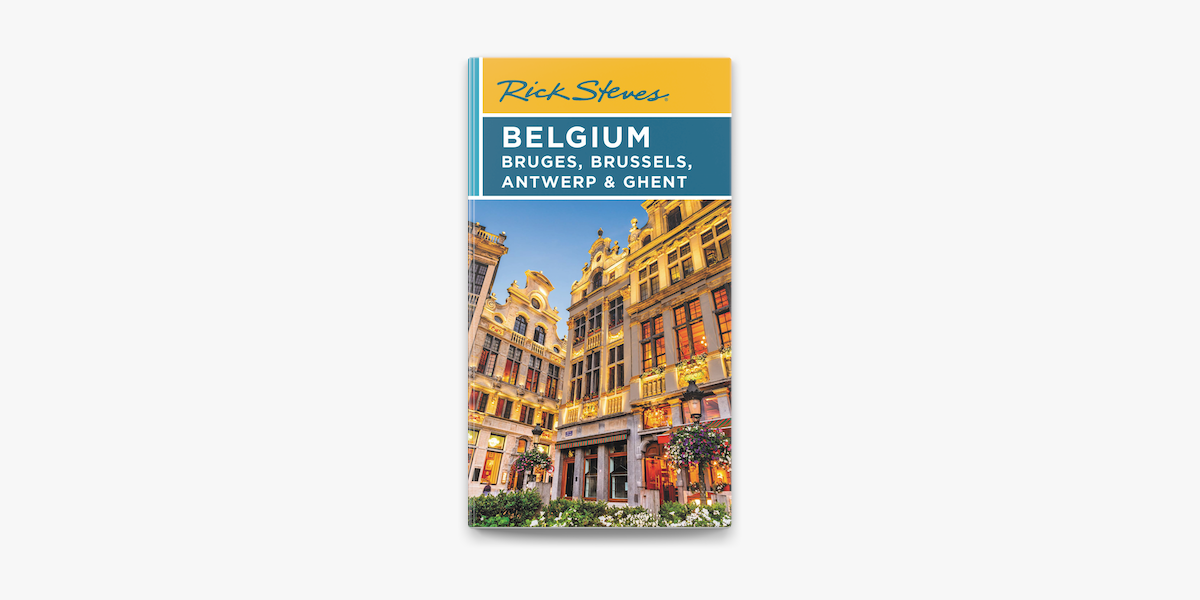

Rick Steves’ Guide to Belgium: Exploring the Heart of Europe

weatherontheair.com – Belgium, a country known for its rich history, stunning architecture, and world-class cuisine, is a gem in the heart of Europe. Rick Steves, a well-known travel expert, has provided travelers with an insightful guide to exploring the best of Belgium, focusing on four of its most captivating cities: Bruges, Brussels, Antwerp, and Ghent.

Bruges: A Medieval Marvel

Bruges, often referred to as the Venice of the North, is a city that seems to have leaped out of a fairy tale. Its well-preserved medieval architecture, picturesque canals, and cobblestone streets offer a glimpse into the past. Rick Steves recommends a visit to the Markt, the city’s central square, dominated by the Belfry of Bruges, a UNESCO World Heritage site. A climb to the top rewards visitors with panoramic views of the city. Don’t miss the chance to sample Bruges’ famous chocolates and beers, which are among the best in the world.

Brussels: The Capital of Europe

As the de facto capital of the European Union, Brussels is a city of contrasts, blending historic charm with modernity. The Grand Place, with its ornate guildhalls and the stunning Town Hall, is a must-see. Rick Steves suggests exploring the city’s vibrant neighborhoods, such as the Royal Quarter and the European Quarter, to get a sense of its political and cultural significance. Foodies will delight in Brussels’ culinary offerings, from the iconic Belgian waffles to the mouthwatering moules-frites (mussels with fries).

Antwerp: A Diamond in the Rough

Antwerp is a city with a rich artistic heritage and a thriving contemporary art scene. It’s also the world’s diamond capital, where over half of the global rough diamond trade occurs. Rick Steves advises visitors to see the Antwerp Cathedral, home to several masterpieces by Peter Paul Rubens, and to explore the fashion district, where cutting-edge designers showcase their work. The city’s port, one of the largest in the world, is another testament to Antwerp’s status as a major economic hub.

Ghent: A City of Canals and Castles

Ghent, with its blend of medieval architecture and vibrant cultural life, is often overshadowed by its more famous neighbors. However, Rick Steves believes it’s a hidden gem worth exploring. The Gravensteen, a well-preserved castle in the city center, offers a glimpse into the life of medieval nobility. The canals that crisscross Ghent are best experienced by boat, providing a unique perspective on the city’s historic buildings and green spaces. Ghent’s culinary scene is also noteworthy, with a focus on fresh, local ingredients and a strong tradition of beer brewing.

Conclusion

Rick Steves’ guide to Belgium offers a comprehensive look at the country’s rich tapestry of culture, history, and cuisine. Whether you’re wandering the cobblestone streets of Bruges, marveling at the grandeur of Brussels, exploring the artistic heart of Antwerp, or enjoying the tranquil beauty of Ghent, Belgium promises an unforgettable journey through the heart of Europe.

Exploring the Deep Blue: The Oceans

weatherontheair.com – The oceans, covering approximately 71% of the Earth’s surface, are the largest and least explored ecosystems on our planet. These vast bodies of water are not only crucial for the Earth’s climate and weather patterns but also harbor a rich diversity of life, much of which remains unknown to science. The deep blue sea, with its hidden valleys, mountains, and trenches, offers a glimpse into a world that is both alien and essential to our own.

The Importance of Ocean Exploration

Exploring the oceans is not just a matter of curiosity; it is a necessity for understanding our planet’s health. The oceans play a significant role in regulating the Earth’s climate, absorbing a large portion of the carbon dioxide and heat from the atmosphere. They are also a source of food, medicine, and economic opportunity for billions of people. However, human activities such as pollution, overfishing, and climate change are threatening the delicate balance of marine ecosystems.

Technological Advances in Ocean Exploration

The exploration of the deep sea has been revolutionized by advancements in technology. Remotely operated vehicles (ROVs) and autonomous underwater vehicles (AUVs) allow scientists to explore the ocean depths without risking human life. These machines are equipped with cameras, sensors, and robotic arms, enabling detailed observations and sample collection from the most inaccessible parts of the ocean.

Discoveries in the Deep

Ocean exploration has led to the discovery of new species, some of which are found nowhere else on Earth. The deep sea is home to creatures that have adapted to extreme conditions, such as high pressure, darkness, and cold temperatures. These discoveries not only expand our knowledge of biodiversity but also provide insights into the potential for life in extreme environments beyond Earth.

The Role of Conservation

As we continue to explore the oceans, it becomes increasingly clear that conservation efforts are essential. Marine protected areas (MPAs) and international agreements aim to safeguard marine ecosystems and the services they provide. Education and public awareness are also critical in fostering a connection between people and the oceans, encouraging sustainable practices that protect these vital resources for future generations.

Conclusion: A Call to Action

The oceans are a treasure trove of life, mystery, and potential. As we delve deeper into the blue, we must remember that our actions have consequences. The health of the oceans is inextricably linked to the health of our planet and its inhabitants. It is our responsibility to explore the deep blue with respect and to protect it for the benefit of all life on Earth.

Exploring Dating Rituals Around the World: Cultural Courtship

Dating is a universal concept, yet the rituals and traditions surrounding it vary greatly from one culture to another. These differences reflect the unique values, beliefs, and social norms of each society. Exploring the diverse practices of courtship around the world offers a fascinating glimpse into the human experience of love and romance.

In many Western societies, dating is often seen as a casual process where individuals explore compatibility through a series of meetings and shared experiences. In the United States, for example, it’s common for people to go on several dates with multiple partners before deciding to commit to a relationship. This approach emphasizes personal choice and individual freedom, with less emphasis on family approval or societal expectations.

Contrastingly, in many Eastern cultures, dating is a more formal and family-oriented process. In Japan, the concept of “omiai” is a traditional form of matchmaking where a third party arranges meetings between potential marriage partners. The focus is on long-term compatibility and family approval rather than casual dating.

In India, the traditional practice of arranged marriages is still prevalent, although it is evolving. Families often play a crucial role in selecting a suitable partner for their children, and dating is typically supervised and with the intention of marriage. However, with the advent of technology and globalization, many young Indians are now embracing more Western-style dating practices.

In the Middle East, dating is often more conservative, with strong emphasis on family values and religious beliefs. In some Muslim-majority countries, interactions between unmarried men and women are closely monitored, and marriages are usually arranged by families. However, there is a growing trend among the younger generation to seek more autonomy in choosing their partners, albeit within the boundaries of their cultural and religious norms.

In Latin America, dating rituals are often characterized by a passionate and expressive approach to romance. The concept of “machismo” in some countries can influence dating dynamics, with men expected to be assertive and women to be more coy. Public displays of affection are common, and the process of courtship is often filled with vibrant expressions of love and affection.

African dating rituals are as diverse as the continent itself, with 54 countries each having their own unique customs. In some African cultures, the family plays a central role in the selection of a partner, and there may be elaborate ceremonies and rituals involved in the courting process. For example, in parts of Nigeria, the Igbo people have a traditional “knocking on the door” ceremony where the suitor’s family formally asks for the bride’s hand in marriage.

In Australia, dating practices are influenced by both Western values and the unique Indigenous cultures. Indigenous Australians have their own courtship rituals that are deeply rooted in their spiritual beliefs and connection to the land. For non-Indigenous Australians, dating is generally similar to that in the United States, with a focus on personal choice and casual dating.

Globally, the rise of technology has had a significant impact on dating rituals. Online dating platforms and social media have made it easier for people to connect across cultural boundaries, leading to a hybridization of dating practices. While this has opened up new possibilities for cross-cultural relationships, it also challenges traditional norms and values.

Despite the global influence of Western dating practices, many cultures still hold onto their traditional courtship rituals. These practices are a testament to the enduring importance of cultural identity and the diverse ways in which love and relationships are expressed around the world.

In conclusion, exploring dating rituals around the world reveals the rich tapestry of human culture and the myriad ways in which people navigate the journey of finding love. From the casual dating of the West to the family-oriented matchmaking of the East, each culture’s approach to courtship offers valuable insights into the complexities of human relationships and the universal quest for companionship and connection.

Exploring Male Friendships and the Quest for

In a world that often celebrates independence and rugged individualism, the concept of male friendship and the quest for connection might seem at odds with traditional masculine ideals. Yet, beneath the surface of stoicism and self-reliance lies a deep-seated yearning for meaningful relationships and a sense of belonging. This is the essence of the Brotherhood Code, an unspoken set of principles that governs male friendships and the pursuit of genuine connection among men.

The Brotherhood Code is not a formal doctrine but rather a collection of unwritten rules and expectations that have evolved over time. It encompasses loyalty, trust, respect, and the shared experiences that bind men together. These friendships, often forged in the fires of adversity, are characterized by a unique blend of camaraderie and competition, support, and challenge.

At the heart of the Brotherhood Code is the quest for connection. Men, like all humans, have an innate need for social bonds and emotional intimacy. However, societal norms and gender expectations have historically discouraged men from openly expressing their emotions or seeking support from one another. This has led to a paradox where men crave connection but are often unsure of how to pursue it without compromising their sense of masculinity.

The quest for connection within male friendships is a journey of vulnerability and strength. It requires men to step outside their comfort zones, to share their fears, failures, and dreams. It’s about being there for each other, not just in times of celebration but also in moments of despair. The Brotherhood Code encourages men to be allies, not just in word but in deed, to stand by each other through thick and thin.

One of the most powerful aspects of the Brotherhood Code is its ability to foster a sense of community and belonging. When men come together in the spirit of friendship and mutual respect, they create a space where individual identities are celebrated, and collective goals are pursued. This sense of unity is not just beneficial for the individuals involved but also for society as a whole. It promotes a culture of empathy, understanding, and cooperation.

However, the Brotherhood Code is not without its challenges. The very expectations that bind men together can also create barriers to genuine connection. The pressure to conform to certain behaviors or to suppress emotions can lead to isolation and a lack of emotional expression. Moreover, the code can sometimes perpetuate harmful stereotypes or exclude those who do not fit the traditional mold of masculinity.

To navigate these challenges, the Brotherhood Code must evolve. It must embrace a more inclusive definition of masculinity, one that allows for a full range of human emotions and experiences. It must encourage open communication and vulnerability without judgment. And it must foster an environment where all men, regardless of their background or identity, can find a sense of belonging and connection.

In conclusion, the Brotherhood Code is a testament to the enduring power of male friendships and the universal quest for connection. It is a reminder that, despite the barriers that may exist, the human need for social bonds transcends all boundaries. By embracing the values of loyalty, trust, and respect, and by striving for a more inclusive and empathetic understanding of masculinity, men can forge deeper connections and create a more supportive and understanding community. The journey is not always easy, but the rewards of genuine friendship and belonging make it a quest worth pursuing.