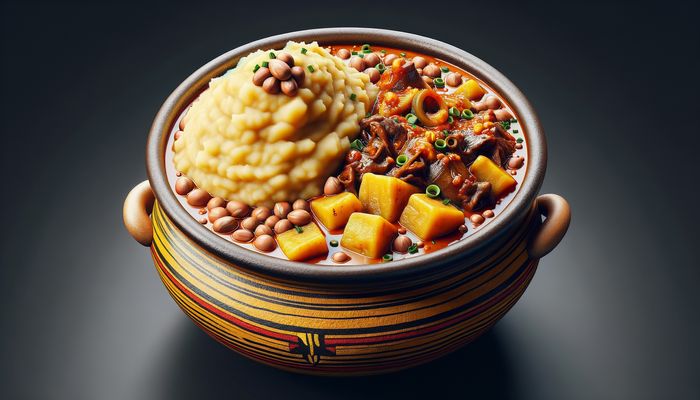
Matoke: A Ugandan Staple Food – Cultural Significance

weatherontheair.com – Matoke, a dish made from steamed or boiled green bananas (specifically East African Highland bananas), is a staple food in Uganda and other parts of East Africa, particularly in the Great Lakes region. More than just a simple preparation of bananas, matoke holds significant cultural importance and represents a vital source of sustenance for millions. This article delves into the world of matoke, exploring its origins, preparation methods, cultural significance, nutritional value, and variations.   

Origins and Cultural Significance

Matoke’s history is intertwined with the cultivation of East African Highland bananas, which are believed to have originated in Southeast Asia and were introduced to Africa centuries ago. These bananas adapted well to the fertile highlands of East Africa, becoming a crucial crop and a dietary cornerstone.   

In Uganda, matoke holds a particularly prominent place in the country’s culinary and cultural landscape. It’s not just a food; it’s a symbol of Ugandan identity, often served at important ceremonies, celebrations, and family gatherings. It represents hospitality, with offering matoke to guests being a sign of welcome. The preparation and sharing of matoke are often deeply rooted in tradition, passed down through generations.   

Varieties of Bananas Used for Matoke

Several varieties of East African Highland bananas are used for making matoke, each with slightly different characteristics:

  • Musa acuminata (Matoke type): These are the primary bananas used for matoke. They are starchy, green bananas that are specifically cultivated for cooking, not for eating raw.
  • Other local varieties: Depending on the specific region, other local varieties of cooking bananas may also be used.

Preparing Matoke: Steaming and Mashing

The traditional preparation of matoke involves steaming the green bananas in banana leaves, which imparts a unique flavor and aroma.   

  1. Peeling and Wrapping: The green bananas are peeled and then wrapped in fresh banana leaves. This wrapping helps to retain moisture and flavor during cooking.
  2. Steaming: The wrapped bananas are placed in a large saucepan or pot, often layered on a bed of banana leaves or other plant material to prevent them from sticking to the bottom. Water is added to the pot, and the bananas are steamed until they are soft and cooked through. This process can take several hours, depending on the quantity and ripeness of the bananas.   
  3. Mashing (Optional): Once cooked, the matoke can be mashed to a smooth consistency using a pestle or other utensil. This creates a smoother, more uniform texture.   

A simpler, quicker method involves boiling the peeled bananas directly in water. While this method is faster, it doesn’t impart the same characteristic flavor as steaming in banana leaves.

Serving Matoke: Accompaniments and Variations

Matoke is typically served hot and is often accompanied by various sauces, stews, or other dishes.

  • Groundnut (Peanut) Sauce: A rich and creamy sauce made with ground peanuts, tomatoes, onions, and spices. This is a very popular accompaniment to matoke.   
  • Bean Stews: Various bean stews, providing a good source of protein.   
  • Meat Stews: Beef, goat, or chicken stews are also common pairings with matoke.   
  • Vegetable Stews: A variety of vegetable stews can be served with matoke.

There are also regional variations in how matoke is prepared and served.

  • In some regions, the matoke may be cooked with the peels on, which adds a slightly different flavor.
  • Some variations include adding ingredients like onions, tomatoes, or green peppers to the matoke during cooking.

Nutritional Value: A Source of Carbohydrates and More

Matoke is a good source of carbohydrates, providing energy. It also contains some vitamins and minerals, including:   

  • Potassium: Important for blood pressure regulation and muscle function.   
  • Vitamin B6: Important for brain development and function.   
  • Vitamin C: An antioxidant that supports immune function.   
  • Fiber: Aids digestion and promotes gut health.   

However, matoke is relatively low in protein and fat, so it’s important to consume it with other foods that provide these essential nutrients, such as the accompanying stews and sauces.   

Matoke’s Enduring Importance

Matoke is more than just a dish; it’s a cultural symbol and a vital source of sustenance in Uganda and the Great Lakes region. Its simplicity, versatility, and nutritional value have made it a staple food for generations. From everyday meals to special occasions, matoke continues to play an important role in the lives of many people, representing the rich culinary heritage and cultural identity of the region.
Preserving Traditions Amidst Crisis: Venezuela’s Cultural Resilience

weatherontheair.com – In the face of economic turmoil and political instability, Venezuela’s cultural heritage stands as a beacon of resilience and identity. Despite the challenges, Venezuelans have demonstrated an unwavering commitment to preserving their rich cultural traditions. This article explores the various ways in which the country’s cultural resilience is manifested, highlighting the efforts of individuals, communities, and organizations to keep their traditions alive.

The Role of Music and Dance

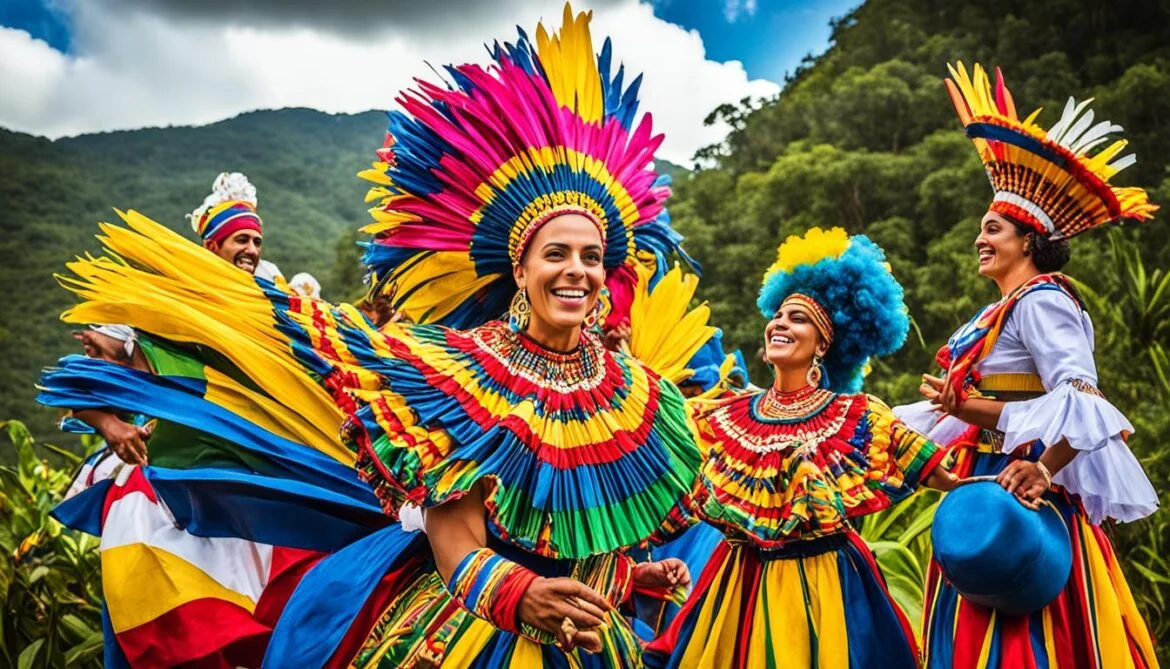
Music and dance are integral to Venezuelan culture, serving as powerful tools for expression and unity. Traditional genres such as salsa, merengue, and joropo continue to thrive, with festivals and community events celebrating these art forms. In 2024, musicians and dancers have adapted by leveraging social media and online platforms to reach wider audiences, ensuring that these cultural expressions remain vibrant and accessible.

Preserving Culinary Traditions

Venezuela’s culinary traditions are a testament to the country’s diverse influences and rich agricultural heritage. Dishes such as arepas, cachapas, and hallacas are not only a source of sustenance but also a means of preserving cultural identity. In the face of economic challenges, chefs and home cooks have innovated by using locally available ingredients to create traditional dishes, ensuring that these culinary practices are passed down to future generations.

The Power of Visual Arts

Visual arts play a crucial role in documenting and reflecting the realities of Venezuelan life. Artists have used their work to address themes of resilience, hope, and social change, capturing the spirit of the nation amidst crisis. In 2024, galleries and online platforms have provided spaces for these artists to showcase their work, both locally and internationally, fostering a deeper appreciation for Venezuela’s artistic heritage.

Community-Driven Initiatives

Community-driven initiatives have emerged as vital forces in preserving cultural traditions. These include local festivals, workshops, and educational programs that focus on language, history, and cultural practices. By engaging youth and fostering a sense of community, these initiatives ensure that cultural knowledge is transmitted across generations, reinforcing a collective identity and resilience.

The Role of Technology

Technology has become a critical tool in the preservation and dissemination of Venezuelan culture. Through social media, online platforms, and digital archives, cultural artifacts, stories, and practices are being documented and shared with a global audience. This digital preservation ensures that Venezuela’s cultural heritage is accessible to future generations, transcending geographical and temporal boundaries.

Conclusion

Venezuela’s cultural resilience is a powerful testament to the enduring spirit of its people. Amidst crisis, the country’s cultural traditions continue to flourish, thanks to the dedication of individuals, communities, and organizations. By leveraging music, dance, culinary arts, visual arts, and technology, Venezuelans are ensuring that their cultural heritage is preserved and celebrated. This cultural resilience not only sustains the nation’s identity but also provides a source of hope and inspiration for the future.

Asian-Western Marriage Insights: Cultural Blends

weatherontheair.com – In an increasingly globalized world, the blending of cultures has become a common occurrence, particularly in the realm of marriage. Asian-Western marriages, in particular, offer a unique fusion of traditions, values, and practices. This article explores the insights and experiences of couples who navigate the intricate dance of combining Eastern and Western cultural elements in their unions.

Understanding Cultural Differences

At the heart of any successful cross-cultural marriage lies a deep understanding and respect for the differences that each partner brings to the table. Asian cultures, with their emphasis on family, respect for elders, and communal living, often contrast with Western values that prioritize individualism and personal freedom. Couples must learn to bridge these gaps, finding common ground that respects both heritages.

Celebrating Diverse Traditions

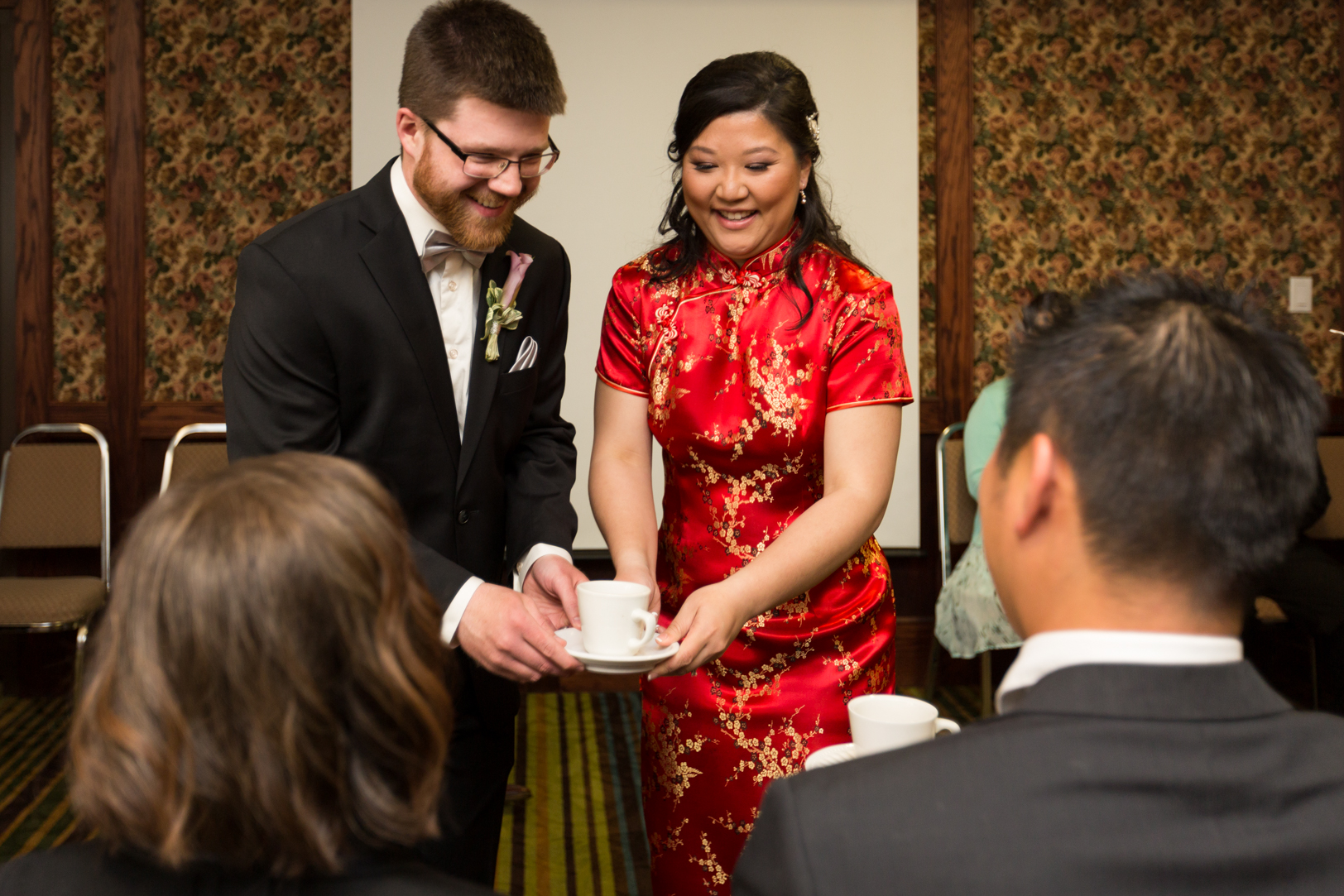
One of the most beautiful aspects of an Asian-Western marriage is the opportunity to celebrate a rich tapestry of traditions. From the vibrant colors and rituals of an Indian wedding to the solemn vows exchanged in a Western ceremony, couples can create a unique wedding experience that honors both backgrounds. Incorporating elements such as tea ceremonies, exchanging rings, and blending musical traditions can make the celebration memorable and meaningful.

Navigating Family Expectations

Family dynamics can be a significant factor in Asian-Western marriages. Balancing the expectations of both families, which may have vastly different views on roles, responsibilities, and family involvement, can be challenging. Open communication and setting clear boundaries are essential in managing these expectations and ensuring that both partners feel supported and understood.

Building a Shared Identity

As the marriage evolves, couples often find themselves building a new identity that blends their cultural backgrounds. This can be seen in the way they raise their children, the holidays they celebrate, and the traditions they choose to continue or adapt. It’s a process of give-and-take, where both partners contribute to creating a harmonious and inclusive family culture.

Embracing the Journey

An Asian-Western marriage is a journey of discovery, growth, and compromise. It requires patience, empathy, and a willingness to learn from each other. By embracing the richness of their diverse backgrounds, couples can create a strong, resilient partnership that not only celebrates their differences but also strengthens their bond.

In conclusion, Asian-Western marriages offer a unique perspective on love and unity in a multicultural world. By understanding and respecting their differences, celebrating their traditions, navigating family expectations, building a shared identity, and embracing the journey, couples can forge a path that honors their heritage while looking forward to a future together.

Exploring Dating Rituals Around the World: Cultural Courtship

Dating is a universal concept, yet the rituals and traditions surrounding it vary greatly from one culture to another. These differences reflect the unique values, beliefs, and social norms of each society. Exploring the diverse practices of courtship around the world offers a fascinating glimpse into the human experience of love and romance.

In many Western societies, dating is often seen as a casual process where individuals explore compatibility through a series of meetings and shared experiences. In the United States, for example, it’s common for people to go on several dates with multiple partners before deciding to commit to a relationship. This approach emphasizes personal choice and individual freedom, with less emphasis on family approval or societal expectations.

Contrastingly, in many Eastern cultures, dating is a more formal and family-oriented process. In Japan, the concept of “omiai” is a traditional form of matchmaking where a third party arranges meetings between potential marriage partners. The focus is on long-term compatibility and family approval rather than casual dating.

In India, the traditional practice of arranged marriages is still prevalent, although it is evolving. Families often play a crucial role in selecting a suitable partner for their children, and dating is typically supervised and with the intention of marriage. However, with the advent of technology and globalization, many young Indians are now embracing more Western-style dating practices.

In the Middle East, dating is often more conservative, with strong emphasis on family values and religious beliefs. In some Muslim-majority countries, interactions between unmarried men and women are closely monitored, and marriages are usually arranged by families. However, there is a growing trend among the younger generation to seek more autonomy in choosing their partners, albeit within the boundaries of their cultural and religious norms.

In Latin America, dating rituals are often characterized by a passionate and expressive approach to romance. The concept of “machismo” in some countries can influence dating dynamics, with men expected to be assertive and women to be more coy. Public displays of affection are common, and the process of courtship is often filled with vibrant expressions of love and affection.

African dating rituals are as diverse as the continent itself, with 54 countries each having their own unique customs. In some African cultures, the family plays a central role in the selection of a partner, and there may be elaborate ceremonies and rituals involved in the courting process. For example, in parts of Nigeria, the Igbo people have a traditional “knocking on the door” ceremony where the suitor’s family formally asks for the bride’s hand in marriage.

In Australia, dating practices are influenced by both Western values and the unique Indigenous cultures. Indigenous Australians have their own courtship rituals that are deeply rooted in their spiritual beliefs and connection to the land. For non-Indigenous Australians, dating is generally similar to that in the United States, with a focus on personal choice and casual dating.

Globally, the rise of technology has had a significant impact on dating rituals. Online dating platforms and social media have made it easier for people to connect across cultural boundaries, leading to a hybridization of dating practices. While this has opened up new possibilities for cross-cultural relationships, it also challenges traditional norms and values.

Despite the global influence of Western dating practices, many cultures still hold onto their traditional courtship rituals. These practices are a testament to the enduring importance of cultural identity and the diverse ways in which love and relationships are expressed around the world.

In conclusion, exploring dating rituals around the world reveals the rich tapestry of human culture and the myriad ways in which people navigate the journey of finding love. From the casual dating of the West to the family-oriented matchmaking of the East, each culture’s approach to courtship offers valuable insights into the complexities of human relationships and the universal quest for companionship and connection.