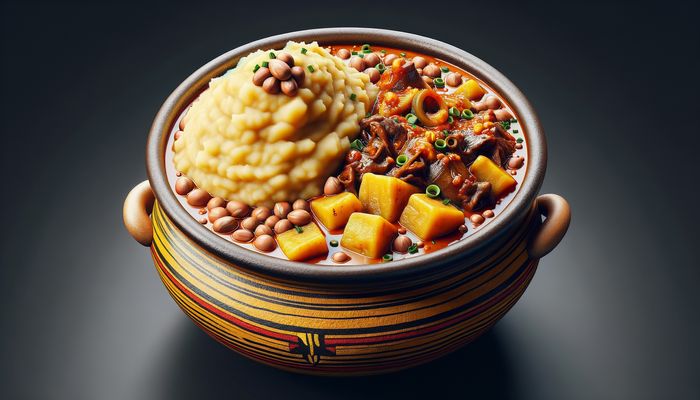
weatherontheair.com – Matoke, a dish made from steamed or boiled green bananas (specifically East African Highland bananas), is a staple food in Uganda and other parts of East Africa, particularly in the Great Lakes region. More than just a simple preparation of bananas, matoke holds significant cultural importance and represents a vital source of sustenance for millions. This article delves into the world of matoke, exploring its origins, preparation methods, cultural significance, nutritional value, and variations.
Origins and Cultural Significance
Matoke’s history is intertwined with the cultivation of East African Highland bananas, which are believed to have originated in Southeast Asia and were introduced to Africa centuries ago. These bananas adapted well to the fertile highlands of East Africa, becoming a crucial crop and a dietary cornerstone.
In Uganda, matoke holds a particularly prominent place in the country’s culinary and cultural landscape. It’s not just a food; it’s a symbol of Ugandan identity, often served at important ceremonies, celebrations, and family gatherings. It represents hospitality, with offering matoke to guests being a sign of welcome. The preparation and sharing of matoke are often deeply rooted in tradition, passed down through generations.
Varieties of Bananas Used for Matoke
Several varieties of East African Highland bananas are used for making matoke, each with slightly different characteristics:
- Musa acuminata (Matoke type): These are the primary bananas used for matoke. They are starchy, green bananas that are specifically cultivated for cooking, not for eating raw.
- Other local varieties: Depending on the specific region, other local varieties of cooking bananas may also be used.
Preparing Matoke: Steaming and Mashing
The traditional preparation of matoke involves steaming the green bananas in banana leaves, which imparts a unique flavor and aroma.
- Peeling and Wrapping: The green bananas are peeled and then wrapped in fresh banana leaves. This wrapping helps to retain moisture and flavor during cooking.
- Steaming: The wrapped bananas are placed in a large saucepan or pot, often layered on a bed of banana leaves or other plant material to prevent them from sticking to the bottom. Water is added to the pot, and the bananas are steamed until they are soft and cooked through. This process can take several hours, depending on the quantity and ripeness of the bananas.
- Mashing (Optional): Once cooked, the matoke can be mashed to a smooth consistency using a pestle or other utensil. This creates a smoother, more uniform texture.
A simpler, quicker method involves boiling the peeled bananas directly in water. While this method is faster, it doesn’t impart the same characteristic flavor as steaming in banana leaves.
Serving Matoke: Accompaniments and Variations
Matoke is typically served hot and is often accompanied by various sauces, stews, or other dishes.
- Groundnut (Peanut) Sauce: A rich and creamy sauce made with ground peanuts, tomatoes, onions, and spices. This is a very popular accompaniment to matoke.
- Bean Stews: Various bean stews, providing a good source of protein.
- Meat Stews: Beef, goat, or chicken stews are also common pairings with matoke.
- Vegetable Stews: A variety of vegetable stews can be served with matoke.
There are also regional variations in how matoke is prepared and served.
- In some regions, the matoke may be cooked with the peels on, which adds a slightly different flavor.
- Some variations include adding ingredients like onions, tomatoes, or green peppers to the matoke during cooking.
Nutritional Value: A Source of Carbohydrates and More
Matoke is a good source of carbohydrates, providing energy. It also contains some vitamins and minerals, including:
- Potassium: Important for blood pressure regulation and muscle function.
- Vitamin B6: Important for brain development and function.
- Vitamin C: An antioxidant that supports immune function.
- Fiber: Aids digestion and promotes gut health.
However, matoke is relatively low in protein and fat, so it’s important to consume it with other foods that provide these essential nutrients, such as the accompanying stews and sauces.
Matoke’s Enduring Importance
Matoke is more than just a dish; it’s a cultural symbol and a vital source of sustenance in Uganda and the Great Lakes region. Its simplicity, versatility, and nutritional value have made it a staple food for generations. From everyday meals to special occasions, matoke continues to play an important role in the lives of many people, representing the rich culinary heritage and cultural identity of the region.