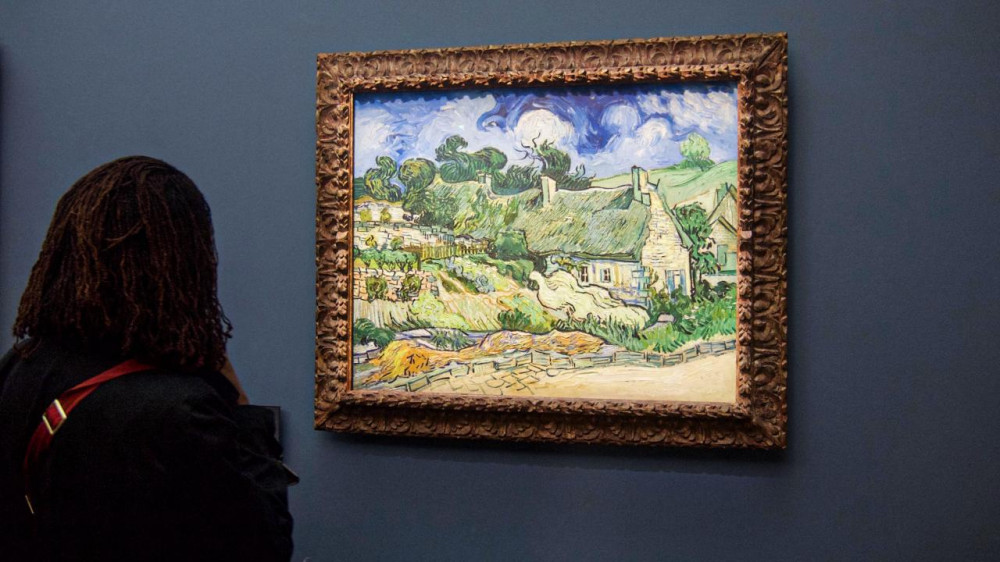
Artistic Treasures of Musée d’Orsay: Impressionism and Beyond

weatherontheair.com – Nestled on the banks of the Seine River in Paris, France, the Musée d’Orsay is a cultural gem that showcases the brilliance of 19th and early 20th-century art. Renowned for its extensive collection of Impressionist and Post-Impressionist masterpieces, the museum offers an immersive experience into a transformative period in art history.

From Railway Station to Art Museum: A Historical Overview

The Musée d’Orsay is housed in a stunning Beaux-Arts railway station, originally built for the 1900 Paris Exposition. By the mid-20th century, the station had become obsolete, and plans were made to convert it into a museum. The Musée d’Orsay officially opened in 1986, providing a new home for artworks spanning from 1848 to 1914.

Exploring the Musée d’Orsay’s Iconic Collections

The museum’s impressive collection includes paintings, sculptures, photography, and decorative arts, with a focus on the evolution of Western art. Here are some highlights:

1. Impressionist Masterpieces

The museum boasts the world’s largest collection of Impressionist paintings. Visitors can admire works by pioneers such as Claude Monet, including his serene “Water Lilies,” and Pierre-Auguste Renoir’s vibrant “Dance at Le Moulin de la Galette,” capturing the essence of light and color.

2. Post-Impressionist Innovations

The Musée d’Orsay also features groundbreaking Post-Impressionist works. Vincent van Gogh’s emotive “Starry Night Over the Rhône” and Paul Gauguin’s vivid depictions of Tahitian life exemplify the bold experimentation and emotional depth of this era.

3. Sculptural Marvels

The museum’s sculpture collection includes works by Auguste Rodin, such as “The Age of Bronze,” as well as Edgar Degas’ enchanting “Little Dancer of Fourteen Years,” offering a glimpse into the dynamic world of three-dimensional art.

4. Decorative Arts and Photography

Beyond paintings and sculptures, the Musée d’Orsay showcases exquisite decorative arts and pioneering photography, illustrating the diverse artistic expressions of the period.

Tips for Visiting the Musée d’Orsay

To make the most of your visit to the Musée d’Orsay, consider these helpful suggestions:

  • Plan Your Visit: Check the museum’s website for information on temporary exhibitions and events. Purchasing tickets online can help you skip the lines.
  • Explore Beyond the Main Galleries: The museum’s lesser-known sections often house intriguing collections that are worth exploring.
  • Attend a Guided Tour: Enhance your understanding of the artworks and their historical context with a guided tour, which can provide valuable insights.
  • Take in the Architecture: Don’t forget to admire the museum’s architectural beauty, including its grand clock faces and the sweeping views of Paris.

Conclusion

The Musée d’Orsay is a testament to the transformative power of art, capturing the spirit of innovation and expression that defined the late 19th and early 20th centuries. Whether you’re a fan of Impressionism, intrigued by Post-Impressionism, or simply eager to explore the artistic legacy of this vibrant era, the museum promises an unforgettable journey through time and creativity.
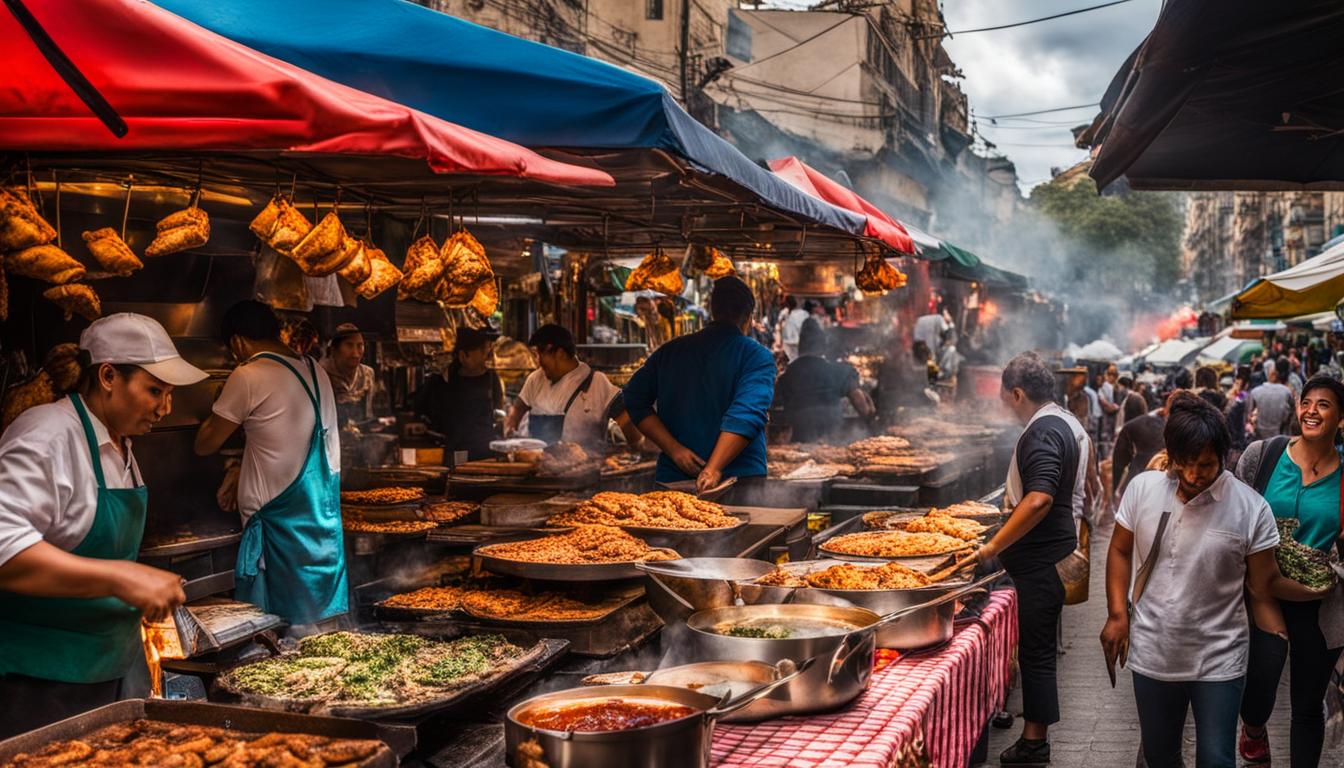

Empanadas and Beyond: Argentine Street Food

weatherontheair.com – Argentina’s culinary scene is a melting pot of indigenous, Spanish, Italian, and other European influences, resulting in a rich and diverse array of dishes. Among these, street food holds a special place in the hearts of Argentines, offering a quick, affordable, and delicious way to experience the country’s flavors. While empanadas are undoubtedly the star of the show, there’s much more to Argentine street food than these iconic pastries. This guide will explore the world of Argentine street food, delving into its most popular dishes and the vibrant culture that surrounds them.

The Ubiquitous Empanada

Empanadas are the quintessential Argentine street food, found in every corner of the country. These savory pastries are filled with a variety of ingredients, including beef, chicken, cheese, vegetables, and even seafood. The dough is typically made from wheat flour, water, and fat, and the empanadas are either baked or fried until golden and crispy. Each region has its own take on the empanada, with distinctive fillings and folding techniques.

Regional Varieties

  • Salta and Tucumán: Known for their large, juicy empanadas filled with beef, olives, and potatoes.
  • Buenos Aires: Offers a more cosmopolitan version with a variety of fillings, including ham and cheese, and innovative vegetarian options.
  • Patagonia: Features empanadas with regional specialties like lamb or seafood.

Beyond Empanadas: Other Argentine Street Food Delights

While empanadas dominate the scene, there are plenty of other street food options to explore in Argentina.

Choripán

Choripán is a simple yet beloved street food staple, consisting of a chorizo sausage split and grilled, then served on a crusty bread roll. It’s often accompanied by chimichurri, a tangy herb sauce that adds a burst of flavor.

Panini and Sandwiches

Argentina’s Italian heritage is evident in the popularity of panini, pressed sandwiches filled with a variety of meats, cheeses, and vegetables. Lomito, a sandwich made with a thin slice of beef, is a particularly popular choice, often topped with lettuce, tomato, and mayonnaise.

Alfajores

No exploration of Argentine street food would be complete without mentioning alfajores, the country’s favorite sweet treat. These sandwich cookies are filled with dulce de leche and sometimes coated in chocolate or powdered sugar. They’re the perfect snack to satisfy a sweet craving on the go.

Helados

Argentina is renowned for its artisanal ice cream, known as helados. With flavors ranging from classic vanilla and chocolate to exotic dulce de leche and fruit sorbets, helados are a refreshing treat enjoyed by locals and visitors alike.

The Culture of Argentine Street Food

Street food in Argentina is more than just a meal; it’s a social experience. Food vendors, known as “carritos” or “parrillas,” set up shop on street corners, outside stadiums, and in parks, creating a lively atmosphere that invites people to gather and enjoy their food. Eating street food is a way for Argentines to connect with their culture and community, sharing stories and laughter over a choripán or a plate of empanadas.

Tips for Enjoying Argentine Street Food

1. Explore Local Markets

Visit local markets and fairs, where you’ll find a variety of street food vendors offering everything from empanadas to artisanal ice cream.

2. Try Regional Specialties

Each region of Argentina has its own street food specialties. Don’t miss the opportunity to try regional variations, such as Patagonian lamb empanadas or choripán with chimichurri in Buenos Aires.

3. Eat Like a Local

Observe what locals are ordering and give it a try. Argentines are passionate about their food, and following their lead is a surefire way to find the best street food.

4. Be Adventurous

Don’t be afraid to step out of your comfort zone and try something new. Argentine street food is incredibly diverse, and some of the most memorable dishes may be those you’ve never heard of.

Argentine street food is a testament to the country’s rich culinary heritage and the vibrant culture that surrounds it. From the iconic empanada to the humble choripán, these dishes offer a glimpse into the soul of Argentina, inviting visitors to savor the flavors and embrace the experience. Whether you’re a food enthusiast or a curious traveler, the world of Argentine street food is sure to delight and inspire.

Diversifying the Economy Beyond Oil: Saudi Vision 2030

weatherontheair.com – The Saudi Vision 2030 is a comprehensive plan aimed at transforming the Kingdom of Saudi Arabia into a thriving economy that is less dependent on oil. Launched in April 2016 by Crown Prince Mohammed bin Salman, this ambitious initiative outlines a series of economic, social, and cultural reforms designed to diversify the nation’s revenue streams, enhance its competitiveness, and improve the quality of life for its citizens.

Economic Diversification

At the heart of Vision 2030 is the goal to reduce the kingdom’s reliance on oil, which currently accounts for about 50% of its GDP, 70% of export earnings, and 87% of budget revenues . To achieve this, the plan focuses on developing non-oil sectors such as mining, renewables, tourism, entertainment, and manufacturing. For instance, the Public Investment Fund (PIF) has been tasked with investing in various sectors to stimulate economic growth and create jobs.

Investment in Infrastructure and Technology

A key component of Vision 2030 is the investment in infrastructure and technology. The kingdom is spending billions of dollars on projects such as Neom, a planned smart city that will be powered by renewable energy and utilize cutting-edge technologies. Additionally, there is a push to improve the digital infrastructure, making Saudi Arabia a regional hub for technology and innovation.

Social and Cultural Reforms

Vision 2030 also encompasses significant social and cultural reforms aimed at modernizing Saudi society. These include granting women more rights, such as the ability to drive and increased participation in the workforce. There is also a focus on improving public services, enhancing the quality of education and healthcare, and promoting a more inclusive society.

Tourism and Entertainment

To diversify the economy, Saudi Arabia is opening up to international tourism and developing its entertainment sector. The kingdom has launched several mega-projects, including the Red Sea Project, a luxury tourist destination, and Qiddiya, a new entertainment city. These initiatives aim to attract foreign visitors and create new revenue streams.

Challenges and Criticisms

While Vision 2030 is ambitious, it faces several challenges. The economic diversification efforts require significant investment and time to yield returns, and there are concerns about the sustainability of some projects. Additionally, the social reforms have met with resistance from conservative elements within Saudi society.

Conclusion

The Saudi Vision 2030 represents a bold attempt to redefine the kingdom’s future beyond oil. By focusing on economic diversification, investment in infrastructure and technology, social and cultural reforms, and the development of new industries, Saudi Arabia aims to create a more resilient and dynamic economy. While challenges remain, the progress made thus far indicates that Vision 2030 is a step in the right direction towards a more prosperous and inclusive future for the kingdom.