The Toxic Legacy of Arsenic in Victorian Bookbinding

weatherontheair.com – The Victorian era, spanning the reign of Queen Victoria from 1837 to 1901, was a time of significant industrial and cultural development. It was also a period when the use of toxic materials in everyday items became prevalent, including in the bookbinding industry. One of the most notorious substances used was arsenic, a highly poisonous element that was employed to create vibrant green dyes known as “emerald green” or “Scheele’s green.”

The Allure of Emerald Green

The allure of emerald green was undeniable. It was a bright, vivid color that did not fade easily, making it a popular choice for book covers, endpapers, and illustrations. However, the production and use of this dye came with a significant health risk. Arsenic, a key component of emerald green, is a cumulative poison that can lead to a range of health issues, including skin lesions, neurological damage, and cancer.

The Health Risks of Arsenic

The workers in the bookbinding industry who handled arsenic-laden materials were particularly at risk. They often suffered from arsenic poisoning, which could lead to a condition known as “arsenic dermatitis.” This condition was characterized by skin irritation, rashes, and, in severe cases, skin cancer. Additionally, the inhalation of arsenic dust could cause respiratory problems and other systemic health issues.

The Long-Term Impact on Collections

The use of arsenic in bookbinding has left a toxic legacy that persists to this day. Libraries and private collections may still contain books bound with arsenic-based dyes. These books pose a risk not only to those who handle them but also to the environment. The degradation of these materials over time can release arsenic into the air and soil, potentially contaminating the surroundings.

Conservation and Mitigation Efforts

Conservation efforts for Victorian-era books must take into account the presence of arsenic. Special handling procedures, such as the use of gloves and masks, are essential to protect those who work with these materials. Additionally, there are ongoing research efforts to develop safe methods for detoxifying arsenic-laden books, such as the use of chemical treatments that can neutralize the arsenic compounds.

A Cautionary Tale for the Future

The toxic legacy of arsenic in Victorian bookbinding serves as a cautionary tale about the long-term consequences of using hazardous materials in consumer goods. It underscores the importance of considering the environmental and health impacts of the substances we use in manufacturing. As we move forward, it is crucial to learn from the past and strive for safer, more sustainable practices in all industries.

A Legacy of Valor and Valor: Richard the Lionheart

weatherontheair.com – Richard I, known as Richard the Lionheart, was a king whose life was marked by valor, military prowess, and a relentless pursuit of glory. Born on September 8, 1157, in Oxford, England, he was the third son of King Henry II and Eleanor of Aquitaine, a lineage that set the stage for his future exploits and his enduring legacy in the annals of history.

Richard’s early life was characterized by a deep immersion in the chivalric ideals of his time, which were heavily influenced by his mother’s court at Poitiers. His education included a strong emphasis on poetry and the arts, reflecting his later penchant for composing his own verses in both French and Occitan.

Early Military Career and Rebellion

Richard’s military career began early, with his first significant engagement occurring at the age of 16, when he led his own army to quell rebellions in Poitou against his father, Henry II. This early foray into military leadership set the tone for his future campaigns, which would be marked by both strategic acumen and ruthless efficiency.

The Crusades and Military Leadership

Richard’s reputation as a military leader was cemented during the Third Crusade, which he led from 1189 to 1192. His campaign was marked by several notable victories, including the capture of the island of Cyprus and the siege of Acre. Despite these successes, Richard was unable to recapture Jerusalem, the primary objective of the Crusade, leading to a peace treaty with Saladin, the Muslim leader.

Captivity and Ransom

The return from the Crusades was not without peril. Richard was captured by the Duke of Austria in 1192 and held for ransom. The massive ransom, which included a quarter of every man’s income in England for a year, was a testament to his popularity and the value placed on his return.

Legacy and Influence

Richard’s reign was brief, lasting only ten years, but his impact was profound. He is remembered not only for his military successes but also for his chivalric ideals and his role in the Crusades, which were seen as a means to extend the influence of European Christendom. His epithet, “Coeur de Lion” or “Lionheart,” reflects his bravery and his role as a symbol of Christian valor in the Holy Land.

Conclusion

Richard the Lionheart remains one of the most iconic figures of the medieval era, celebrated for his role in the Crusades and his military leadership. His life was a testament to the ideals of chivalry and valor, which continue to inspire and captivate the imagination. His legacy is not just in the battles he won but in the enduring image of a king who embodied the spirit of his time.

Overcoming the Legacy of War: Cambodia’s Path to Peace

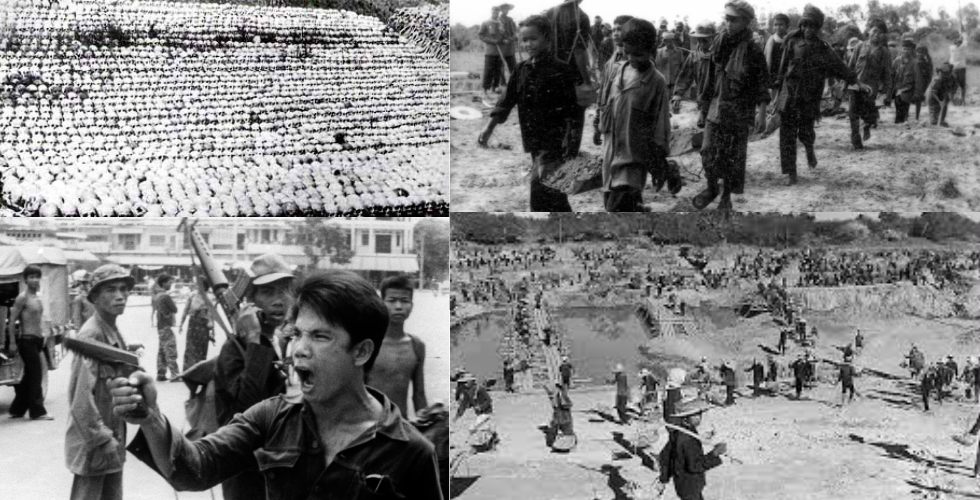
weatherontheair.com – Cambodia, a country with a rich cultural heritage, has faced a tumultuous history marked by war, genocide, and political upheaval. The scars of the past, particularly those left by the Khmer Rouge regime and the subsequent decades of conflict, have been deep and enduring. However, in the face of such adversity, Cambodia has embarked on a remarkable journey towards peace and reconciliation. This article explores the challenges and achievements of Cambodia’s path to peace, highlighting the resilience of its people and the steps taken to overcome the legacy of war.

The Dark Years: The Khmer Rouge Regime

Between 1975 and 1979, Cambodia was under the brutal control of the Khmer Rouge, led by Pol Pot. This period, known as the Cambodian Genocide, resulted in the deaths of an estimated 1.7 million people through starvation, forced labor, and execution. The regime’s radical policies aimed at creating an agrarian socialist society led to the destruction of the country’s social fabric, economy, and infrastructure.

The Long Road to Peace

After the fall of the Khmer Rouge, Cambodia entered a period of instability, with various factions vying for power. It wasn’t until the 1990s, with the signing of the Paris Peace Agreements in 1991, that the country began to see a glimmer of hope for lasting peace. The agreements established a framework for national reconciliation and the holding of free and fair elections, marking the beginning of Cambodia’s transition to a more peaceful and democratic society.

Healing the Wounds: Reconciliation and Justice

Central to Cambodia’s path to peace has been the process of reconciliation and the pursuit of justice for the crimes committed during the Khmer Rouge era. The establishment of the Extraordinary Chambers in the Courts of Cambodia (ECCC), a hybrid tribunal established in 2006, has been instrumental in bringing some of the regime’s leaders to justice. While the ECCC has faced criticism for its slow pace and limited scope, it has provided a platform for victims to share their stories and seek accountability.

Rebuilding a Nation

Rebuilding a nation shattered by war and genocide has been a monumental task. Cambodia has made significant strides in economic development, with growth rates among the highest in the region. The government has invested in infrastructure, education, and healthcare, aiming to improve the living standards of its population. However, challenges remain, including poverty, land rights issues, and political tensions.

The Role of International Support

International support has played a crucial role in Cambodia’s recovery. Aid from various countries and organizations has helped in rebuilding infrastructure, providing humanitarian assistance, and supporting the peace process. The involvement of the United Nations Transitional Authority in Cambodia (UNTAC) in the early 1990s was particularly pivotal in laying the groundwork for a peaceful transition.

Conclusion

Cambodia’s path to peace has been long and fraught with challenges. However, the progress made over the past few decades is a testament to the resilience and determination of the Cambodian people. While the legacy of war continues to cast a shadow over the country, the efforts towards reconciliation, justice, and development offer hope for a brighter future. As Cambodia continues to navigate its journey towards peace, the international community must remain committed to supporting this fragile yet vital process.