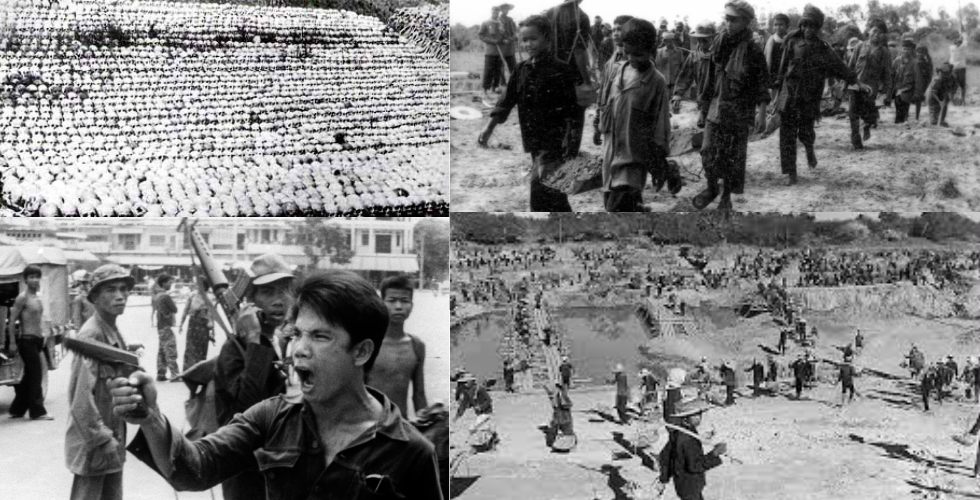
weatherontheair.com – Cambodia, a country with a rich cultural heritage, has faced a tumultuous history marked by war, genocide, and political upheaval. The scars of the past, particularly those left by the Khmer Rouge regime and the subsequent decades of conflict, have been deep and enduring. However, in the face of such adversity, Cambodia has embarked on a remarkable journey towards peace and reconciliation. This article explores the challenges and achievements of Cambodia’s path to peace, highlighting the resilience of its people and the steps taken to overcome the legacy of war.
The Dark Years: The Khmer Rouge Regime
Between 1975 and 1979, Cambodia was under the brutal control of the Khmer Rouge, led by Pol Pot. This period, known as the Cambodian Genocide, resulted in the deaths of an estimated 1.7 million people through starvation, forced labor, and execution. The regime’s radical policies aimed at creating an agrarian socialist society led to the destruction of the country’s social fabric, economy, and infrastructure.
The Long Road to Peace
After the fall of the Khmer Rouge, Cambodia entered a period of instability, with various factions vying for power. It wasn’t until the 1990s, with the signing of the Paris Peace Agreements in 1991, that the country began to see a glimmer of hope for lasting peace. The agreements established a framework for national reconciliation and the holding of free and fair elections, marking the beginning of Cambodia’s transition to a more peaceful and democratic society.
Healing the Wounds: Reconciliation and Justice
Central to Cambodia’s path to peace has been the process of reconciliation and the pursuit of justice for the crimes committed during the Khmer Rouge era. The establishment of the Extraordinary Chambers in the Courts of Cambodia (ECCC), a hybrid tribunal established in 2006, has been instrumental in bringing some of the regime’s leaders to justice. While the ECCC has faced criticism for its slow pace and limited scope, it has provided a platform for victims to share their stories and seek accountability.
Rebuilding a Nation
Rebuilding a nation shattered by war and genocide has been a monumental task. Cambodia has made significant strides in economic development, with growth rates among the highest in the region. The government has invested in infrastructure, education, and healthcare, aiming to improve the living standards of its population. However, challenges remain, including poverty, land rights issues, and political tensions.
The Role of International Support
International support has played a crucial role in Cambodia’s recovery. Aid from various countries and organizations has helped in rebuilding infrastructure, providing humanitarian assistance, and supporting the peace process. The involvement of the United Nations Transitional Authority in Cambodia (UNTAC) in the early 1990s was particularly pivotal in laying the groundwork for a peaceful transition.
Conclusion
Cambodia’s path to peace has been long and fraught with challenges. However, the progress made over the past few decades is a testament to the resilience and determination of the Cambodian people. While the legacy of war continues to cast a shadow over the country, the efforts towards reconciliation, justice, and development offer hope for a brighter future. As Cambodia continues to navigate its journey towards peace, the international community must remain committed to supporting this fragile yet vital process.